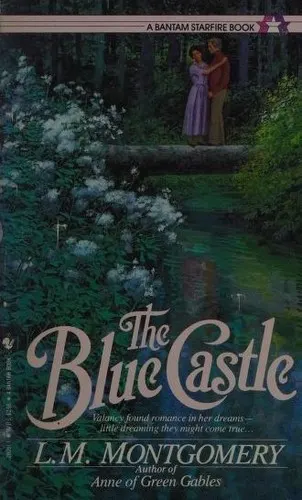
Books like The Blue Castle
A shut window flies open, stale rooms fill with light, and a woman who has lived by other people’s rules suddenly discovers that the world has been waiting for her.
If you liked The Blue Castle, you’ll love these
Not lookalikes — kindred books. Each one shares something essential with The Blue Castle, and we tell you exactly what.
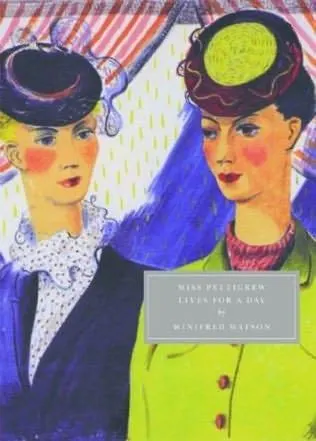
Miss Pettigrew is a middle-aged governess accustomed to failure, invisibility, and doing without. Then one mistaken address drops her into a glittering, precarious life—and reveals abilities that no one, least of all Miss Pettigrew, suspected she possessed.
Like Valancy’s rebellion, her transformation is both delicious wish fulfillment and a serious correction of injustice: these women were never dull; they were merely starved of opportunity. Watson’s comedy moves with screwball speed, yet the exhilaration has real emotional weight. This much-loved rediscovered novel gives its heroine only one day to claim joy, and makes every hour irresistible.
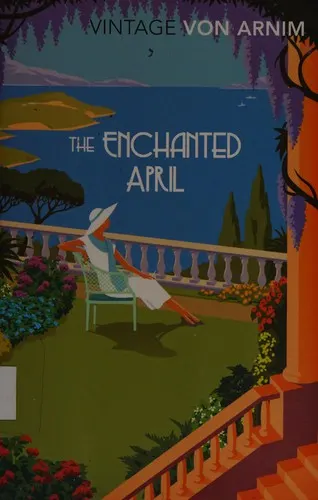
Four unhappy Englishwomen rent an Italian castle together, hoping briefly to escape husbands, obligations, loneliness, and the selves they have become. At San Salvatore, beauty begins working on them—not as decoration, but as a force that loosens fear and makes honesty possible.
A lover of Montgomery’s lakes, woods, and moonlit freedom will recognize the conviction that landscape can restore a life. Von Arnim is sly about marriage and social performance, tender without becoming sugary, and wonderfully alert to the comedy of mismatched people. Beloved for more than a century, this is one of literature’s great restorative novels: reading it feels like stepping into sunlight.
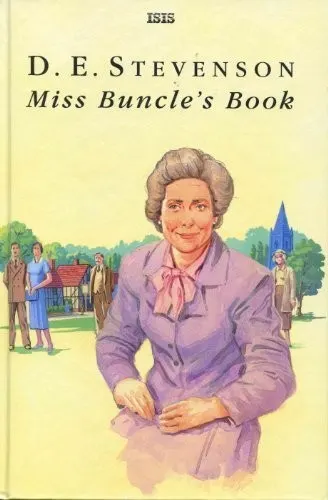
Barbara Buncle, an apparently harmless village spinster, needs money and writes a novel using her neighbors as material. When it is published, the village erupts: everyone recognizes everyone except, revealingly, themselves.
What begins as sparkling social comedy becomes a story about the dangerous pleasure of finally speaking in one’s own voice. Barbara shares Valancy’s underestimated intelligence and her sudden refusal to remain a supporting character in other people’s lives. Stevenson’s ingenious novel has earned generations of devoted readers through its warmth, mischief, and quietly radical faith in self-authorship. Miss Buncle does not merely change her circumstances; she writes herself an exit—and watching it open is immensely satisfying.