Author
Books like Donna Barba Higuera
3 books we recommend to Donna Barba Higuera readers, drawn from The Last Cuentista — each with the reason why.
If you loved The Last Cuentista
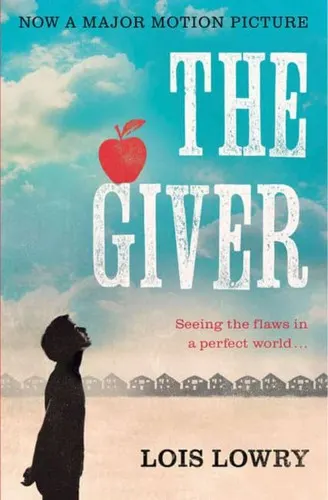
Jonas lives in a society built on safety, ritualized politeness, and carefully controlled choices. Lowry gradually exposes the moral price of that serenity, making collective memory—as in The Last Cuentista—not an archive of dead facts but the source of empathy, individuality, and moral judgment.
The spare prose is very different from Higuera’s warmth, yet that restraint makes every human feeling register sharply. A Newbery Medal winner that reshaped modern children’s dystopian fiction, The Giver remains startling because its central temptation is so plausible: perhaps life would be easier without pain, difference, or an unruly past. Read it to discover why the answer is both devastating and beautiful.
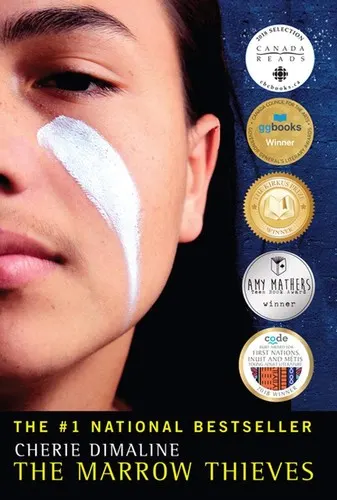
In a climate-ravaged Canada, Frenchie is fleeing Recruiters who hunt Indigenous people because they retain something the rest of humanity has lost: the ability to dream. Dimaline’s dystopia is rawer and more immediate than Higuera’s, but the novels share a profound conviction that culture is not decorative—it is survival equipment.
Frenchie’s first-person voice combines fear, anger, tenderness, and adolescent longing, while the group’s shared histories give resistance an intimate, communal form. Stories preserve identity when institutions seek to turn people into resources. Winner of both the Governor General’s Award and the Kirkus Prize, The Marrow Thieves has become a touchstone of Indigenous YA fiction. Its vision of inherited knowledge as a living refuge will stay with anyone moved by Petra’s devotion to cuentos.
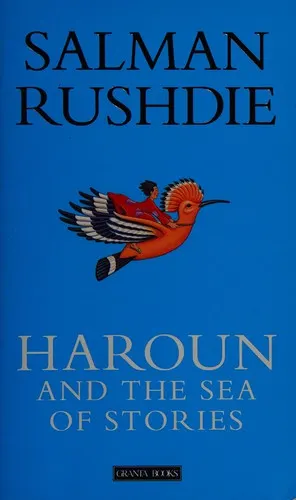
Haroun’s father, Rashid, is a celebrated storyteller—until sorrow suddenly empties him of stories. From that opening crisis, Rushdie creates an exuberant defense of imagination against every force that calls stories useless, dangerous, or disposable.
Where The Last Cuentista binds storytelling to Mexican heritage and human memory, Haroun revels in storytelling’s unruly freedom. Its puns, fable-like logic, comic inventions, and flashes of melancholy make language itself feel alive. Rushdie wrote it while facing an extraordinary attempt to silence him, which gives the novel’s playfulness real defiance rather than mere whimsy. Few books argue so joyfully that protecting stories means protecting our capacity to question, remember, and hope.