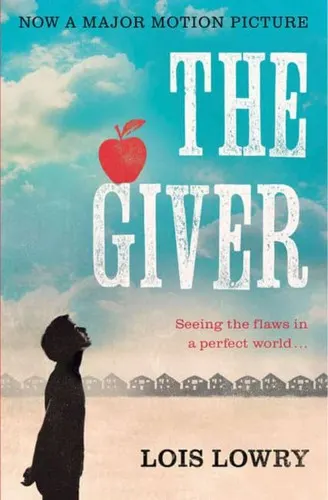
Books like The Giver
If a world could spare you pain only by taking away memory, choice, and the fullness of love, would safety be worth the price? These three novels pursue that question with the same clarity, emotional restraint, and quietly devastating force that make The Giver endure.
If you liked The Giver, you’ll love these
Not lookalikes — kindred books. Each one shares something essential with The Giver, and we tell you exactly what.

Kathy looks back on her childhood at Hailsham, an apparently idyllic English boarding school whose rules and euphemisms conceal a disturbing purpose. Like Jonas, she has been raised inside a system designed to make the unthinkable seem ordinary—and Ishiguro lets understanding arrive gradually, through omissions, half-explanations, and memories whose significance changes as we read.
This Booker-shortlisted novel is gentler and sadder than most dystopian fiction. Its power lies not in rebellion or spectacle but in the friendships, jealousies, treasured objects, and hopes that persist within a life constrained from the beginning. Readers who loved The Giver’s fusion of lucid prose, moral horror, and aching tenderness should not miss one of the finest modern novels about what makes a human life valuable.

On an unnamed island, things keep disappearing: objects vanish, language adjusts, and most people soon forget that the lost things ever mattered. A novelist who retains forbidden memories hides her editor from the authorities charged with enforcing oblivion.
Ogawa turns Lowry’s central insight—that memory is both a burden and the ground of human freedom—into something eerie, dreamlike, and intimate. The disappearances are frightening precisely because daily life continues around them; compliance becomes habitual before it becomes monstrous. A finalist for the International Booker Prize, The Memory Police has the austere beauty of a fable and the lingering unease of a nightmare. It will make The Giver’s world feel newly possible.
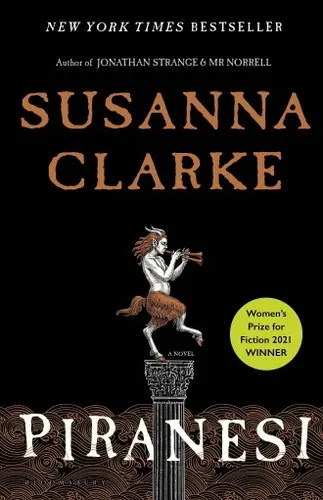
Piranesi lives in an immense House of marble halls, ocean tides, statues, birds, and clouds. He believes the House is the whole world, and he records its wonders with reverent precision. Yet small contradictions begin to trouble the reality he has been taught to accept.
The kinship with The Giver lies in the experience of awakening: an innocent, trustworthy mind slowly discovers that its world has been named and limited by someone else. Clarke makes that discovery exhilarating rather than merely grim. Piranesi’s openness, compassion, and delight survive even as his knowledge changes, giving the novel an uncommon moral radiance. Winner of the Women’s Prize for Fiction, this brief, beloved book is a mystery, a meditation on memory, and one of fantasy’s most moving celebrations of an uncolonized inner life.