
Books like The Marrow Thieves
—because what lingers is not merely the chase, but Dimaline’s conviction that stories, kinship, and cultural memory are instruments of survival. These three novels share that vital core.
If you liked The Marrow Thieves, you’ll love these
Not lookalikes — kindred books. Each one shares something essential with The Marrow Thieves, and we tell you exactly what.
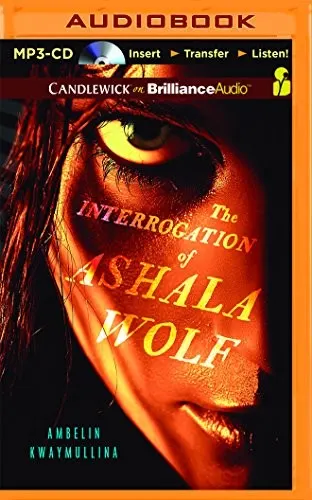
Ashala leads the Tribe, a refuge for young people whose unusual abilities have made them targets of a controlling state. When she is captured, the novel becomes a taut contest over memory: what can her interrogators extract, and what can Ashala keep truly her own?
Kwaymullina, a Palyku writer, gives the familiar machinery of YA dystopia a radically different foundation. Land is not scenery but relation; community is not an alliance of convenience but a way of understanding oneself. Readers who loved Frenchie’s chosen family will recognize the fierce tenderness holding Ashala’s Tribe together. Winner of Australia’s Aurealis Award for young-adult fiction, this is an ingenious, emotionally grounded novel whose revelations deepen—not cheapen—its ideas about resistance.
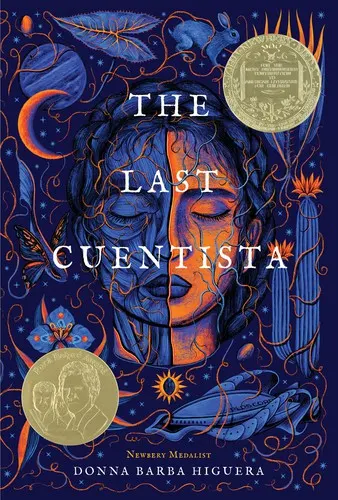
Petra Peña wants to become a storyteller like her grandmother, but Earth is doomed and her family must leave it behind. When she awakens aboard their ship centuries later, she discovers a society determined to erase the messy memories and differences that make people human.
The kinship with The Marrow Thieves lies in the dangerous power of inherited stories. Petra’s tales are neither nostalgic ornaments nor escapism: they preserve identity against a system that calls cultural erasure progress. Higuera blends Mexican folklore, science fiction, grief, and suspense without sacrificing wonder. The novel won both the Newbery Medal and the Pura Belpré Author Award, and deservedly so—it makes storytelling feel like one of humanity’s oldest and most defiant technologies.
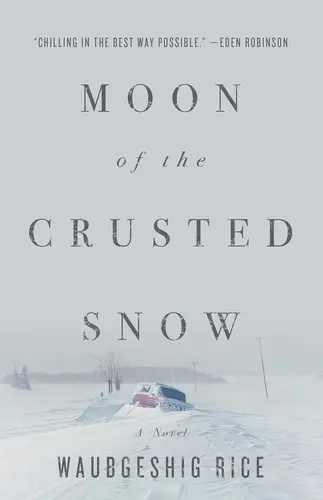
When the power fails in a remote northern Anishinaabe community, information disappears with it. Winter is approaching, supplies are finite, and the silence from the outside world grows increasingly ominous. Rice builds dread slowly, through small disruptions, uneasy meetings, and the realization that the supposedly permanent structures of modern life may be the most fragile things present.
Where Dimaline writes with the momentum of flight, Rice creates the pressure of enclosure. Yet both ask the same bracing question: if colonial society collapses, which people have already learned how to survive its violence? The answer emerges through language, practical knowledge, communal responsibility, and renewed attention to the land. Now widely regarded as a standout of Indigenous apocalyptic fiction, this spare, chilling novel proves that survival can also be a form of cultural return.