Author
Books like Daniel Mason
3 books we recommend to Daniel Mason readers, drawn from North Woods — each with the reason why.
If you loved North Woods
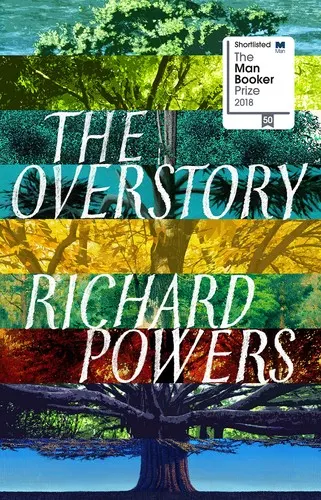
Powers gives trees the narrative gravity Mason gives his patch of Massachusetts earth: human dramas remain vivid, but they unfold within older, stranger systems of growth, damage, and renewal. The novel begins with apparently separate lives, each rendered with the concentrated force of a short story, then reveals the living connections among them.
Winner of the Pulitzer Prize, The Overstory earned its enormous readership by making ecological interdependence feel intimate rather than abstract. If North Woods altered your sense of what counts as a protagonist, Powers’s novel may change how you look at every tree outside your window.
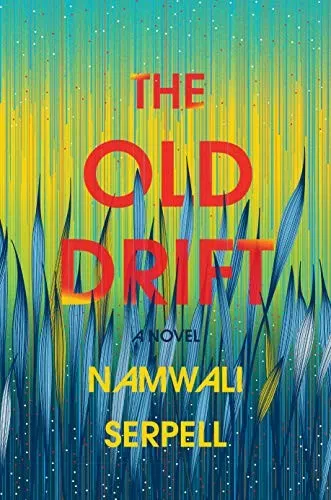
What connects Serpell’s audacious debut to North Woods is its delight in making a novel contain multitudes. Generations pass; narrative styles mutate; accidents become inheritances; realism opens unexpectedly into myth and speculative fiction. Even the smallest creatures can claim the right to tell the story.
Set in Zambia but exhilaratingly resistant to any single category, The Old Drift has the same faith in recurrence that animates Mason’s novel: gestures, desires, and consequences echo across lives whose owners cannot see the whole pattern. Its Arthur C. Clarke Award was fitting recognition for a book whose scale and inventiveness make most family sagas seem timid.
If your favorite pleasure in North Woods was watching a peripheral figure suddenly step forward and become the center of the world, read Egan. Her characters pass narrative authority among themselves across decades; someone glimpsed briefly in one section may later acquire an entire history, while time quietly transforms triumph, embarrassment, and loss.
Egan also shares Mason’s formal playfulness. The book changes voice and shape—including one famously moving chapter built as a slide presentation—without becoming a mere display of cleverness. Pulitzer- and National Book Critics Circle–winning, it is one of the defining linked novels of this century: funny, propulsive, and devastating about the traces people leave in one another.