Author
Books like Charles McCarry
6 books we recommend to Charles McCarry readers, drawn from The Tears of Autumn, The Miernik Dossier and The Last Supper — each with the reason why.
If you loved The Tears of Autumn
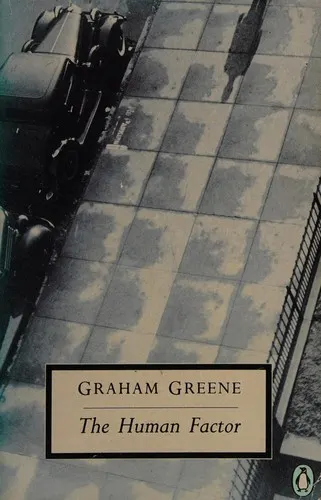
Greene shares McCarry’s rare understanding that espionage becomes most compelling when professional duty collides with ordinary love. Maurice Castle is a quiet British intelligence officer whose marriage matters more to him than the abstractions discussed in secure offices; when a leak is suspected, bureaucratic routine acquires the pressure of tragedy.
Greene’s own intelligence experience is present not as glamorous lore but as knowledge of how organizations think—and how little they understand individuals. Spare, humane, and devastatingly controlled, this enduring classic offers the same peculiar ache as McCarry: tenderness surviving inside a system designed to exploit it.
An English actress is drawn into an intelligence operation whose architects treat politics, performance, and identity as parts of the same elaborate production. Le Carré makes recruitment feel like seduction and role-playing feel perilously close to self-discovery.
Where McCarry builds suspense through Christopher’s solitary reasoning, le Carré builds it through psychological transformation: what happens when a person must inhabit another version of the truth convincingly enough to live inside it? One of his most ambitious and passionately admired novels, it combines operational ingenuity with moral seriousness—and makes every apparent certainty unstable.
If you loved The Miernik Dossier
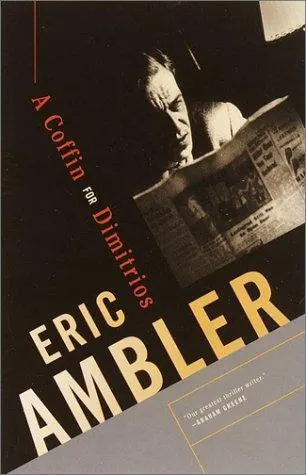
A crime writer becomes fascinated by Dimitrios, a notorious operator whose reported death leaves behind a trail of police files, rumors, witnesses, and political violence. As in McCarry, the central figure remains tantalizingly out of reach: every new account clarifies one detail while destabilizing the whole portrait.
Published in 1939, this is one of the novels that transformed espionage fiction from glamorous adventure into a literature of compromised sources, bureaucratic power, and murky international interests. Ambler’s dry intelligence and mounting menace make the search compulsive, but the lasting pleasure lies in judging the evidence—and realizing how easily a dossier becomes a story its compiler wants to believe.
Burnet presents a nineteenth-century murder through a supposed archive: the accused man’s memoir, witness statements, medical examinations, and courtroom testimony. The documents do not fit neatly together. Vocabulary, class prejudice, professional vanity, and institutional authority all affect what can be accepted as truth.
That makes it an exceptional non-espionage companion to McCarry. Both novels require the reader to act as analyst rather than spectator, weighing not only what each voice says but why it says it in that particular form. Shortlisted for the Booker Prize, His Bloody Project earned its fervent readership by being at once an absorbing crime novel and a remarkably subtle demonstration that official records can preserve uncertainty as readily as fact.
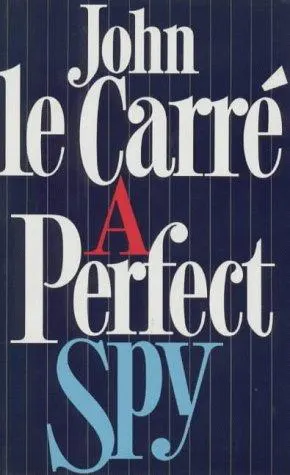
Magnus Pym, an intelligence officer who has disappeared, is pursued through official inquiries, other people’s memories, and the autobiographical account he begins writing in hiding. The resulting portrait is intimate yet never final: spycraft becomes inseparable from performance, filial loyalty, shame, and the lifelong invention of a usable self.
Where McCarry distributes Miernik among competing observers, le Carré lets institutional narratives collide with the fugitive’s attempt to narrate himself. The book is widely regarded as one of le Carré’s supreme achievements, and deservedly so: its psychological reach extends far beyond the machinery of espionage. For a reader captivated by the question of whether a file can ever contain a person, A Perfect Spy is essential.
If you loved The Last Supper
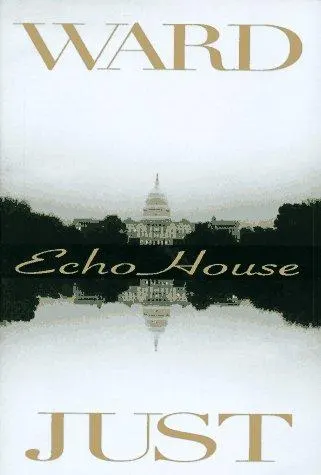
Ward Just turns Washington power into family inheritance. Across generations of the Behl family, public service, ambition and influence pass from parent to child along with evasions that are harder to acknowledge. The city is rendered as McCarry renders the intelligence world: not as machinery, but as a society with manners, memories and unspoken rules.
A National Book Award finalist, Echo House is quieter than a conventional espionage novel and more penetrating than most. Its great pleasure is watching political history emerge from dinners, friendships, marriages and old obligations. Readers who loved The Last Supper’s sense that nations are steered by intimate loyalties will find Just’s poised, melancholy authority irresistible.