Author
Books like Caryl Phillips
3 books we recommend to Caryl Phillips readers, drawn from A Distant Shore — each with the reason why.
If you loved A Distant Shore
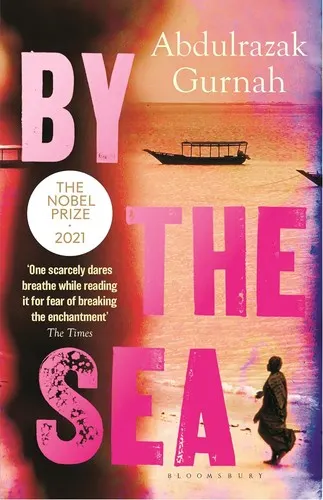
Gurnah, later awarded the Nobel Prize, approaches asylum and displacement through competing acts of storytelling. An elderly man arrives at Gatwick carrying little but incense and a borrowed identity; what follows gradually complicates every easy judgment about victimhood, betrayal, and responsibility.
Like Phillips, Gurnah understands that displaced people may protect themselves through silence—and that recovering a past does not make it simpler. His measured prose, divided perspectives, and patient revisions of what the reader thinks they know make this Booker-longlisted novel perhaps the closest companion to A Distant Shore: humane without sentimentality, and devastating because it refuses innocence.
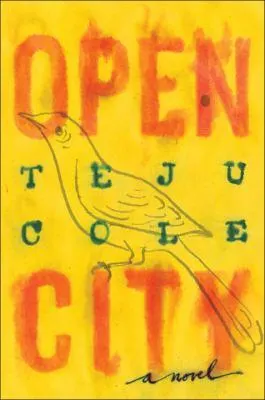
Julius, a young psychiatrist, walks through New York and lets the city summon histories of migration, violence, and erasure. The plot seems almost weightless; the real drama lies in the tension between his cultivated intelligence and the unsettling difficulty of knowing him.
Readers drawn to Phillips’s fractured chronology and guarded characters will recognize Cole’s faith in omission, implication, and delayed understanding. Yet Open City has its own hypnotic rhythm: an urban wandering novel in which casual encounters open onto buried histories. Winner of the PEN/Hemingway Award, it is admired precisely because its elegance keeps acquiring darker meanings after the final page.
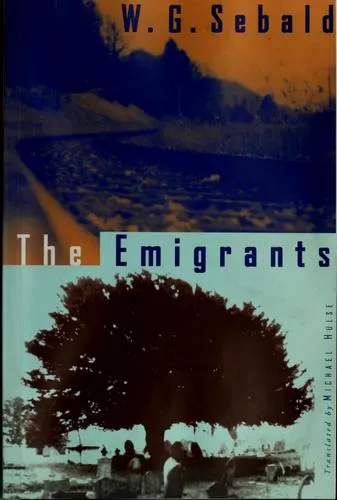
Sebald’s four linked narratives follow lives marked by departure, exile, and memories that return indirectly—in anecdotes, photographs, landscapes, and peculiar gaps in testimony. Rather than dramatizing suffering conventionally, he circles it, allowing small details to carry enormous emotional weight.
That indirection is the deepest link with A Distant Shore. Both books ask how another person’s history can be approached when trauma has made a coherent account impossible, and both turn listening into a moral act. The Emigrants established Sebald as one of the defining writers of memory and displacement; its haunting blend of fiction, biography, and documentary evidence remains unlike almost anything else.