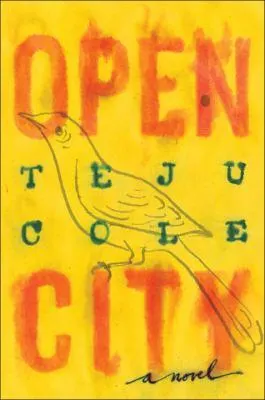
Books like Open City
—because the real spell of Open City lies less in walking than in the way a cultivated mind turns movement into memory, history, and uneasy self-scrutiny. These three novels share that searching intelligence without merely retracing Julius’s route.
If you liked Open City, you’ll love these
Not lookalikes — kindred books. Each one shares something essential with Open City, and we tell you exactly what.
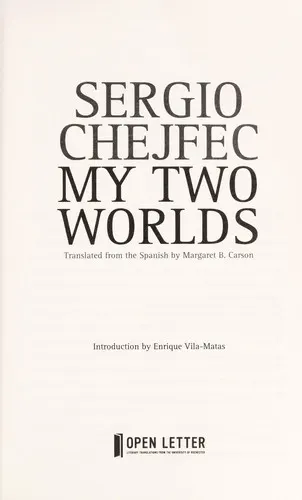
An Argentine writer takes a walk through a Brazilian city before his fiftieth birthday; from that slight premise, Chejfec creates an extraordinary drift through parks, recollections, literary doubts, and the narrator’s estrangement from himself.
Like Cole, Chejfec makes thought feel spatial: each turn in the path opens another uncertainty, while mundane objects acquire a mysterious pressure. Margaret B. Carson’s translation preserves prose that is hesitant, exact, and quietly funny. This cult masterpiece of the walking novel may be the closest companion to Open City—not an imitation, but another demonstration that wandering can become a rigorous moral and artistic form.
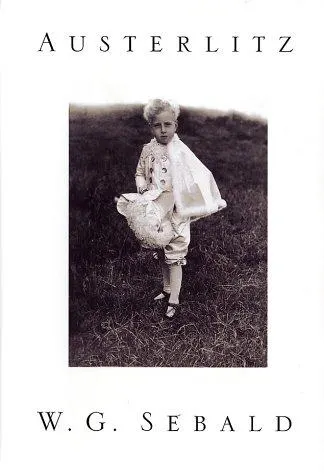
Sebald’s great novel begins with chance meetings between a traveler and Jacques Austerlitz, an architectural historian whose immense learning gradually circles a personal absence. Photographs interrupt the hypnotic paragraphs; stations, fortresses, waiting rooms, and libraries become repositories of histories that ordinary life has paved over.
The kinship with Open City is profound: cosmopolitan erudition never serves as decoration but as a way of approaching loss that resists direct statement. Winner of the National Book Critics Circle Award, Austerlitz is one of the defining novels of memory and historical consciousness—haunting precisely because its calm intelligence cannot keep the past at a safe distance.
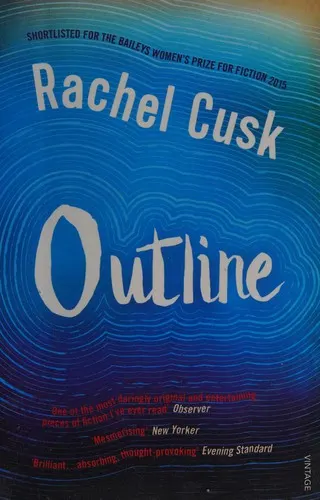
On a trip to Athens, a novelist teaches a writing course and listens as strangers, students, and acquaintances tell her about marriages, ambitions, humiliations, and private catastrophes. She seems almost to disappear behind their voices, yet her silences steadily acquire shape.
Readers who admired the oblique characterization and cool observational force of Open City will recognize Cusk’s daring: she makes conversation reveal both the speaker and the listener, often through what neither acknowledges. The book’s severe clarity can be mordantly funny, and its refusal of conventional narrative helped make Cusk’s Outline trilogy one of contemporary fiction’s most influential formal achievements. Once its method takes hold, every casual confidence begins to look like a self-portrait.