Author
Books like Brit Bennett
3 books we recommend to Brit Bennett readers, drawn from The Mothers — each with the reason why.
If you loved The Mothers
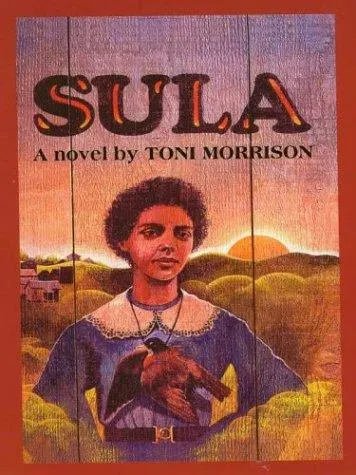
Few novels understand as sharply as The Mothers how a community turns observation into judgment—and judgment into a story people must live inside. In the Black neighborhood called the Bottom, Morrison’s collective voice can be funny, tender, merciless, and wrong all at once. Against it stands the intense friendship between Nel and Sula, two girls whose different ideas about love, duty, and freedom will define them.
Morrison refuses to sort women neatly into the respectable and the selfish. Her slim, enormously influential novel asks who gets forgiven, who becomes a scapegoat, and whether friendship can be more formative than romance. If Bennett’s moral ambiguity and choral narration were what stayed with you, Sula is indispensable.
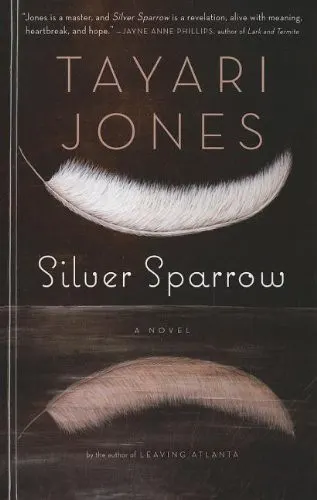
“My father, James Witherspoon, is a bigamist.” With that first sentence, Jones places a family secret in the hands of Dana, a girl who knows her father has another wife and daughter—while that other family does not know she exists. The suspense comes less from exposure than from the daily emotional cost of being hidden.
Like Bennett, Jones is superb at showing how adults’ decisions shape young women’s identities, loyalties, and rivalries. Her characters make damaging choices for comprehensible reasons, and every shift in perspective unsettles your sympathies. Silver Sparrow helped establish Jones as one of the keenest contemporary novelists of intimate moral conflict; its apparent simplicity conceals a devastating precision.
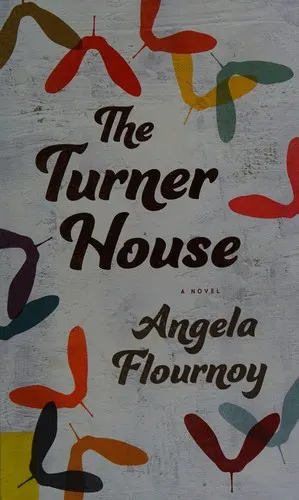
The Turner family has thirteen grown children, a deteriorating house on Detroit’s Yarrow Street, and a ghost—or “haint”—that the eldest son insists he has seen. Flournoy uses that crowded household not as quaint background but as an emotional instrument: every debt, addiction, memory, and grievance sounds differently depending on which sibling is speaking.
Readers who loved the church Mothers’ watchful chorus will recognize Flournoy’s fascination with the stories communities tell about their own. Yet her National Book Award–finalist debut is warmer and more expansive, alive to teasing, resentment, economic pressure, and the stubborn pull of home. It is the rare family novel in which the collective feels as vivid as any individual—and every individual still gets to keep a secret self.