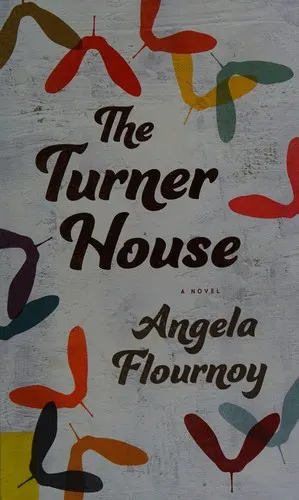
Books like The Turner House
In these novels, a family house seems to breathe: old choices creak under the floorboards, absent relatives remain stubbornly present, and love survives in forms too complicated to call tenderness.
If you liked The Turner House, you’ll love these
Not lookalikes — kindred books. Each one shares something essential with The Turner House, and we tell you exactly what.
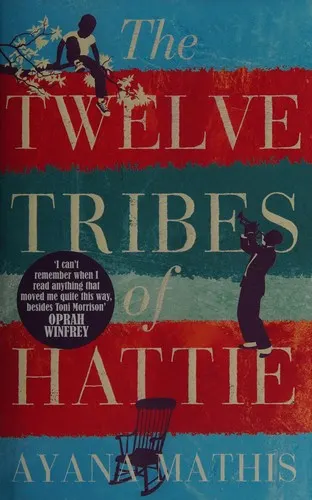
Like Flournoy, Mathis turns one Black family into a constellation without reducing anyone to a type. Hattie leaves the Jim Crow South for Philadelphia, and the novel moves among her children, showing how a parent’s thwarted hopes can become both shelter and burden.
Mathis writes with unsentimental compassion: damage passes between generations, but so do resilience, wit, and fierce attachment. An Oprah’s Book Club selection that announced a formidable new writer, this is the novel to read for more of The Turner House’s greatest achievement—the sense that every sibling carries a different, equally true version of the family.
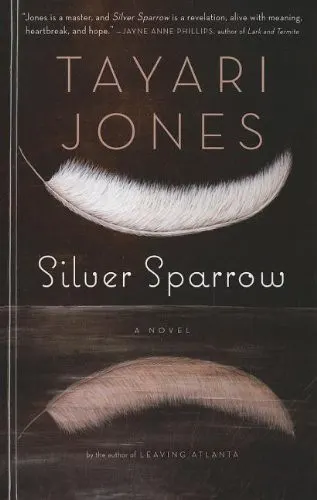
“My father, James Witherspoon, is a bigamist.” From that opening, Jones builds an exquisitely controlled story about two daughters growing up in the orbit of one man—one publicly acknowledged, the other kept secret.
A Turner House reader will recognize Jones’s gift for making family structure feel like destiny without denying her characters agency. Small privileges, slights, clothes, school friendships, and half-truths accumulate until they carry enormous emotional weight. Long cherished by readers before An American Marriage made Jones internationally famous, Silver Sparrow may be her sharpest portrait of how children inherit adults’ compromises.
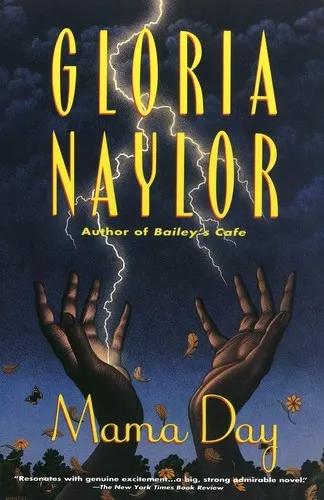
On the sea island of Willow Springs, history is preserved through family stories, local knowledge, and the formidable presence of Miranda “Mama” Day. Naylor lets the uncanny inhabit ordinary life without pinning it down—a lover of Flournoy’s haint will understand that a haunting can be psychologically revealing and literally possible at once.
But the deeper kinship lies in Naylor’s vision of inheritance: family lore can sustain people, mislead them, and ask something difficult of them. Earthy, playful, romantic, and finally overwhelming, Mama Day displays the polyphonic brilliance that made Naylor one of the essential American novelists of her generation. Missing it means missing one of the richest fictional worlds in contemporary Black literature.