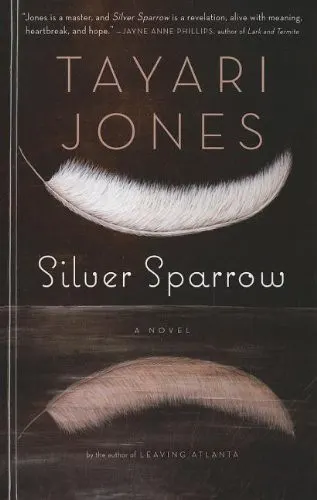
Books like Silver Sparrow
Readers drawn to Silver Sparrow tend to savor intimate family dramas in which secrecy is not a puzzle to solve but a force that shapes identity—especially for girls and women forced to live with choices they did not make.
If you liked Silver Sparrow, you’ll love these
Not lookalikes — kindred books. Each one shares something essential with Silver Sparrow, and we tell you exactly what.
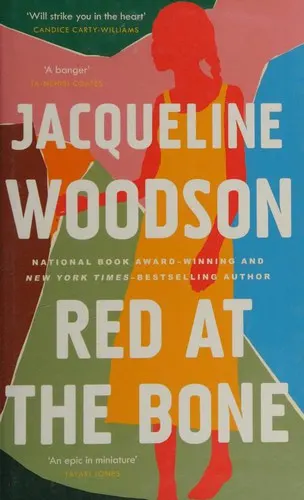
At sixteen, Melody descends the stairs for a coming-of-age ceremony while several generations of her family silently reckon with how she came to be there. Woodson moves among their voices, revealing disparities in class, ambition, sacrifice, and desire within a single Black family.
Like Tayari Jones, Woodson refuses to divide her characters into the wronged and the guilty. Her spare, musical novel shows how parents’ decisions become their children’s emotional inheritance—and how two people can experience the same family history as entirely different stories. Woodson’s remarkable compression makes this short novel feel expansive; almost every sentence carries the weight of something remembered, withheld, or misunderstood.
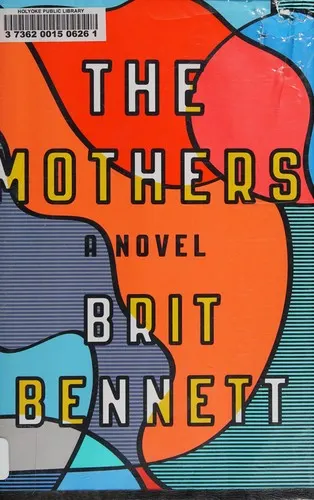
Nadia Turner is grieving her mother when she becomes involved with Luke, the pastor’s son. Their secret decision follows them into adulthood, drawing Nadia’s devout friend Aubrey into an increasingly fraught triangle. Watching from the pews is a chorus of church mothers whose gossip can be cruel, perceptive, funny, and occasionally all three at once.
Bennett shares Jones’s gift for showing how a close-knit Black community can provide both shelter and surveillance. More importantly, she understands that secrecy creates unequal lives: one person escapes, another stays, and neither is free of what happened. This celebrated debut made Bennett a major novelist before The Vanishing Half; its moral tension and aching female relationships make it especially difficult to put down.
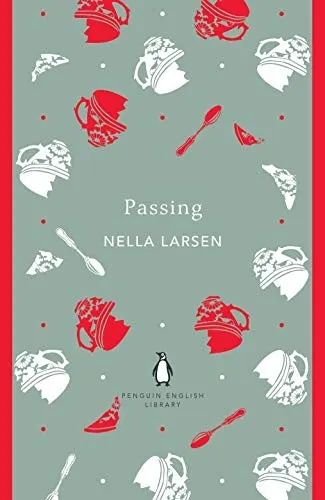
Irene Redfield’s unexpected reunion with the magnetic Clare Kendry begins a relationship charged with fascination, envy, fear, and desire. Larsen’s great achievement is to make every encounter between them shimmer with possibilities that Irene herself may not fully understand.
A reader who admired the unstable bond between Dana and Chaurisse will recognize Larsen’s piercing interest in women who become mirrors, rivals, and imagined alternative selves to one another. Yet Passing is never reducible to rivalry: it probes belonging, respectability, marriage, and the stories people construct to keep their lives intact. A defining novel of the Harlem Renaissance, it remains startlingly modern because Larsen makes certainty itself feel dangerous.