Author
Books like Bernice Rubens
3 books we recommend to Bernice Rubens readers, drawn from The Elected Member — each with the reason why.
If you loved The Elected Member

Like Rubens, Toews can make a scene painfully funny without diminishing its anguish. Yolandi’s brilliant, beloved sister Elf wants to die, leaving the family trapped between the duty to save her and the obligation to hear what she is saying. The resulting struggle has the same terrible moral pressure as Norman’s plight: when does care become control, and whom is rescue really for?
Winner of the Rogers Writers’ Trust Fiction Prize, this is one of Toews’s defining novels. Its jokes are irreverent, its grief unsentimental, and its portrait of sisterly love unforgettable. Anyone moved by Rubens’s refusal to offer easy cures should not miss it.
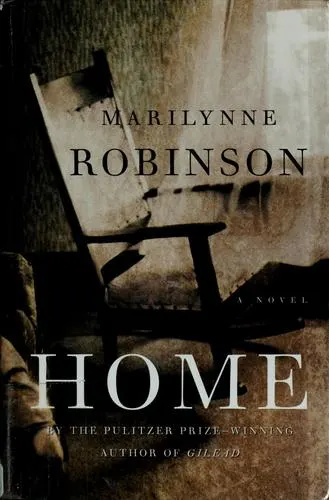
Jack Boughton, the troubled and long-absent son of a minister, returns to his childhood home, where his sister Glory and their aging father receive him with hope, apprehension, and expectations he may never satisfy. Robinson understands, as Rubens does, that a family can assign someone a role so completely that even forgiveness becomes another form of judgment.
The Orange Prize–winning Home is quieter than The Elected Member, but every courteous exchange carries decades of disappointment. Jack’s shame, Glory’s watchfulness, and their father’s baffled love create an almost unbearable intimacy. Few novels show more clearly how being welcomed home can feel like being put on trial.
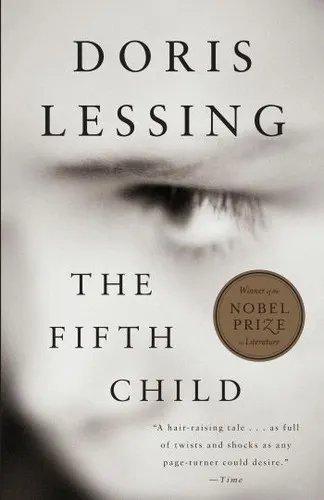
Harriet and David build their life around an ideal of abundant, old-fashioned family happiness. Then their fifth child arrives, and the household’s confidence begins to curdle into fear and accusation. Lessing’s target is not simply an alarming child but the family’s need to decide who belongs, who is to blame, and who must be sacrificed to preserve its preferred story about itself.
This short, ferocious novel has the concentrated force of a fable and the emotional ugliness of a family quarrel overheard through a wall. Lessing, later awarded the Nobel Prize, never tells the reader where innocence ends and culpability begins. That unresolved discomfort makes it an essential companion to Rubens.