Author
Books like Arthur C. Clarke
3 books we recommend to Arthur C. Clarke readers, drawn from A Fall of Moondust — each with the reason why.
If you loved A Fall of Moondust
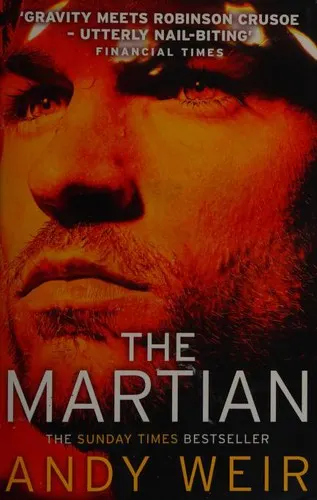
The clearest modern heir to Clarke’s rescue procedural strands one astronaut on Mars with inadequate supplies and no easy way home. Every calculation, repair, and improvised tool matters; like A Fall of Moondust, it turns engineering into action rather than explanatory furniture.
Weir adds irreverent humor and a wonderfully stubborn protagonist, while the parallel efforts of experts on Earth recreate Clarke’s pleasure in watching competent people coordinate under public scrutiny. Its enormous readership was earned: few novels make arithmetic, logistics, and botany this exhilarating.
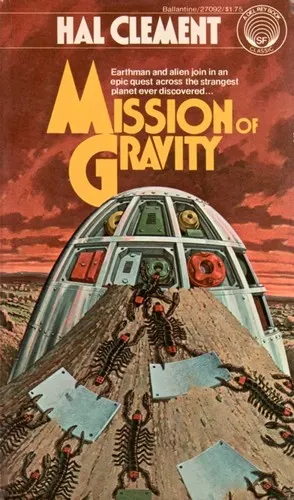
Clarke makes lunar dust feel more dangerous than any monster; Hal Clement performs a similar feat with gravity itself. On the scientifically constructed planet Mesklin, even an ordinary journey must account for forces and conditions radically unlike Earth’s. Human researchers therefore rely on the shrewd local trader Barlennan to undertake an expedition they cannot manage themselves.
This foundational hard-SF classic rewards exactly the habit A Fall of Moondust encourages: understanding the environment is the adventure. Clement’s physical constraints continually become obstacles, tools, and surprises, while Barlennan’s practicality gives the book warmth and wit. Anyone who loves Clarke’s elegant conversion of science into suspense should meet one of the genre’s great problem-solving heroes.
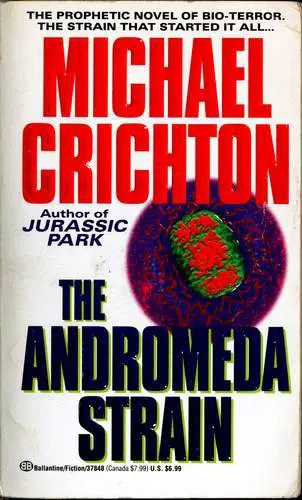
Instead of a trapped vehicle, Crichton gives you a sealed laboratory and an unidentified biological threat—but the deeper machinery is strikingly similar. A specially assembled team must work methodically, interpret incomplete evidence, and trust systems that may themselves contain dangerous assumptions. Diagrams, protocols, automated safeguards, and tiny anomalies tighten the tension rather than slowing it.
The 1969 bestseller helped establish the modern science thriller because it understood what Clarke understood: expertise becomes dramatic when time is short and reality refuses to cooperate. Its cool documentary voice makes the impossible feel alarmingly authentic, and its step-by-step investigation has the addictive force of a countdown.