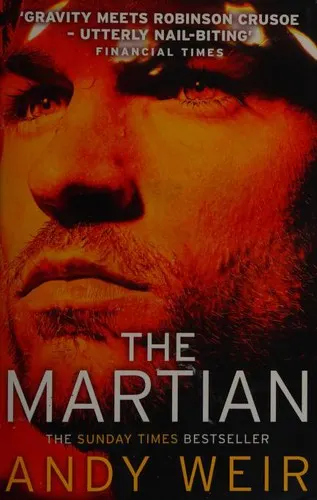
Books like The Martian
Left for dead on Mars, Mark Watney takes stock—and almost immediately turns catastrophe into a list of solvable problems. These novels share that exhilarating faith in ingenuity, expertise, and clear thinking under pressure.
If you liked The Martian, you’ll love these
Not lookalikes — kindred books. Each one shares something essential with The Martian, and we tell you exactly what.
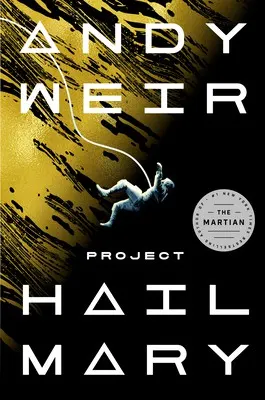
A man wakes in an unfamiliar room unable to remember his name, his location, or why he is there. Rather than merely withholding answers, Weir lets him reconstruct reality through observation and experiment—so the reader solves the mystery alongside him.
This Hugo-finalist novel delivers the same addictive rhythm as The Martian: hypothesis, test, failure, profane joke, better hypothesis. Yet it expands Weir’s range, bringing more emotional weight and wonder to his trademark scientific puzzles. Its immense reader devotion is deserved: few novels make intelligence this suspenseful or leave competence feeling this joyous.
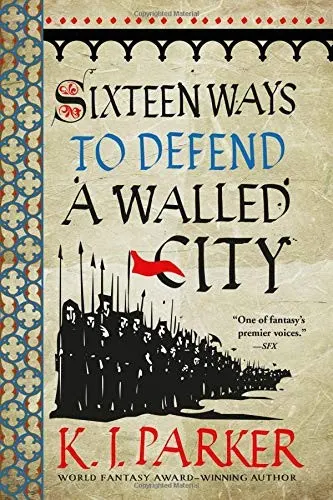
Orhan is not a heroic warrior; he is an engineer who finds himself facing a military catastrophe. He thinks in materials, labor, water, structures, incentives, and the inconvenient stupidity of institutions. Like Watney, he survives by noticing what everyone else overlooks—and narrates his improvisations with dry, irreverent wit.
Parker has a fiercely loyal readership because he turns technical reasoning into drama without sanding away moral ambiguity. This is fantasy for readers who care less about magic than about how things are built, why systems fail, and what one capable person can accomplish with inadequate tools and no good options.
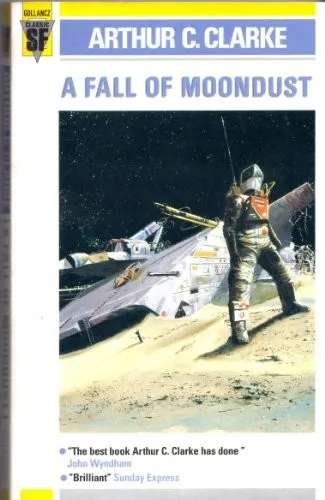
A tourist cruiser skimming across a lunar sea of dust is suddenly swallowed beneath the surface. From that wonderfully clean opening, Clarke constructs a survival-and-rescue procedural in which air, heat, pressure, and incomplete information matter more than villainy.
Hugo-nominated in 1963, it feels like a direct ancestor of The Martian’s particular pleasure: every measurement counts, every proposed solution creates fresh complications, and science is neither decoration nor magic—it is the action. Clarke’s prose is lean, lucid, and relentlessly forward-moving. Anyone who loved watching Watney reason his way through danger should read one of the classic novels that helped establish the form.