Books like Will and Testament
Will and Testament turns repetition into pressure: every return to the inheritance dispute exposes another layer of family language designed to make truth sound like bad manners.
If you liked Will and Testament, you’ll love these
Not lookalikes — kindred books. Each one shares something essential with Will and Testament, and we tell you exactly what.
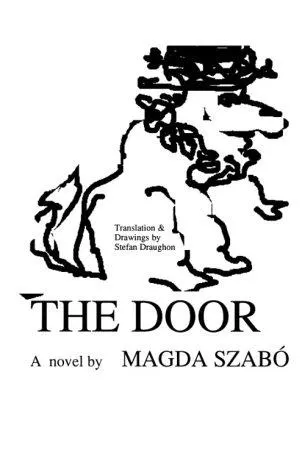
Like Hjorth, Szabó makes narration feel simultaneously like testimony, accusation, and self-cross-examination. A successful writer hires the formidable, secretive Emerence as her housekeeper; their growing intimacy becomes a struggle over dignity, dependence, and who has the right to interpret another person’s life.
The novel’s moral force comes from Szabó’s refusal to give her narrator innocence merely because she is confessing. Affection contains vanity; care becomes power; apparent betrayals change shape as the reader judges them. Widely regarded as one of the Hungarian master’s finest novels, The Door has the rare severity of a book that leaves you arguing with it long after its final page.
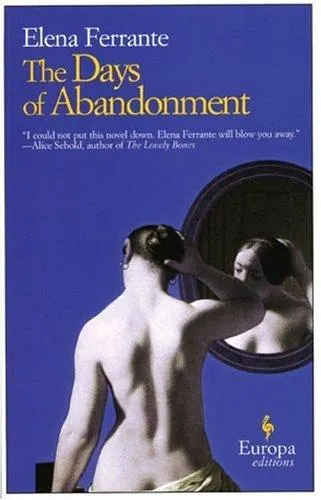
When Olga’s husband leaves her, Ferrante traps us inside a consciousness that cannot stop worrying the wound. Her sentences follow rage through humiliation, sexual jealousy, domestic chaos, and frightening flashes of lucidity. As in Will and Testament, repetition is not redundancy but ordeal: each obsessive circuit sharpens what polite language tries to blur.
This is Ferrante at her most concentrated and ferocious. The novel’s devoted readers respond to its refusal to prettify female anger or turn suffering into dignified wisdom. Olga’s intelligence does not protect her from disintegration—and Ferrante makes that disintegration so exact, physical, and verbally alive that the book feels dangerous.
Antara’s mother is forgetting things—or appears to be—and Antara is not sure whether concern, suspicion, resentment, or vindication should govern her response. Doshi makes memory into contested property: whoever controls the family story controls guilt, obligation, and the meaning of care.
What will grip a Hjorth reader is the moral instability. Antara speaks with cutting precision, yet her candor never settles whether she is victim, unreliable witness, cruel daughter, or all three. The prose is cool where Hjorth’s is fevered, making its cruelties land with a different force. Shortlisted for the Booker Prize, Burnt Sugar earned its acclaim by doing something rarer than portraying a toxic family: it denies the reader every comfortable place from which to judge one.