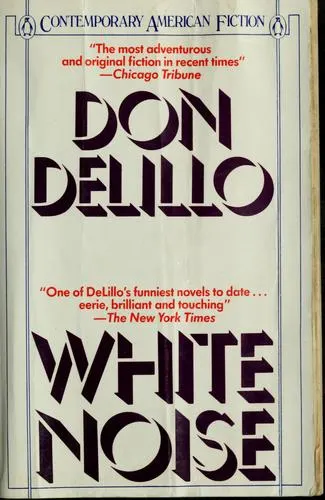
Books like White Noise
You responded to DeLillo’s rare mixture of cultural diagnosis, domestic comedy, verbal static, and mortal dread. These three novels catch that same unsettling frequency without merely imitating it.
If you liked White Noise, you’ll love these
Not lookalikes — kindred books. Each one shares something essential with White Noise, and we tell you exactly what.
Like White Noise, The Corrections understands the family as both a refuge from modern life and one of its strangest products. Franzen moves among aging parents and their adult children while pharmaceuticals, finance, self-improvement, and consumer desire quietly rewrite what they think they want. His comedy is broader and more emotionally exposed than DeLillo’s, but it carries the same sting: people use the language supplied by institutions to avoid speaking about fear, failure, and death.
Winner of the National Book Award and now firmly established as a major American family novel, it earns its scale through relentless observation. Read it for scenes that are excruciatingly funny, then discover that the joke has become grief before you noticed.
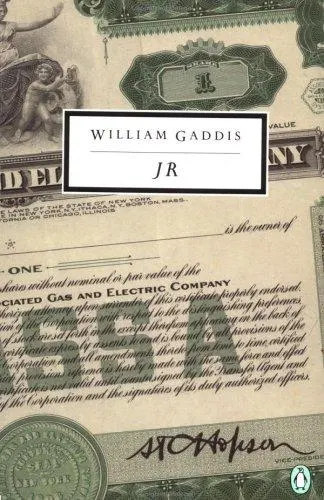
If you loved the way slogans, broadcasts, academic jargon, and casual conversation merge into White Noise’s verbal atmosphere, J R is the audacious next step. Almost entirely through unattributed dialogue, Gaddis creates an America talking itself into absurdity: an eleven-year-old schoolboy begins assembling a financial empire, while adults transmit the language of money without seeming to understand it.
This National Book Award winner is demanding, but its difficulty is purposeful and exhilarating. Gaddis makes capitalism feel less like a system people operate than a torrent of speech that operates them. Once your ear adjusts, the apparent chaos becomes precision comedy—and you begin hearing its voices everywhere outside the novel.
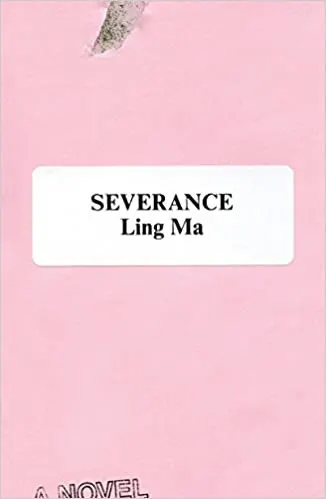
Ling Ma shares DeLillo’s fascination with the point where catastrophe becomes routine. Candace Chen works in Bible production, drifts through New York, and performs the rituals of employment and consumption with numbed competence even as an epidemic spreads. Ma’s deadpan exactness makes office life, nostalgia, and disaster eerily continuous rather than opposites.
Winner of the Kirkus Prize for fiction and a passionately admired contemporary novel, Severance is far more than an apocalypse story. Its deepest subject is repetition: the habits that sustain identity and the habits that hollow it out. It delivers the same chill White Noise does when ordinary life reveals itself as both ridiculous and terrifying—and it does so with a melancholy entirely Ma’s own.