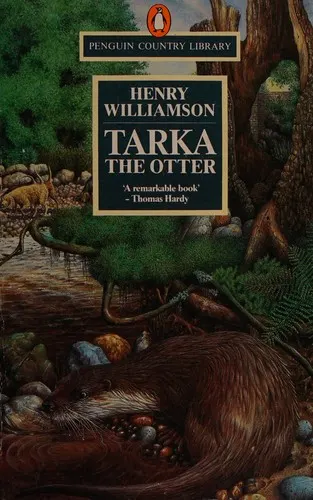
Books like Tarka the Otter
Begin with a political thriller: Geoffrey Household’s hunted man discovers, as Tarka does, that survival reduces the world to scent, weather, cover and the next movement of danger. From there, the other two books return more directly to wild creatures, while preserving Williamson’s unsentimental intensity and rapt attention to landscape.
If you liked Tarka the Otter, you’ll love these
Not lookalikes — kindred books. Each one shares something essential with Tarka the Otter, and we tell you exactly what.
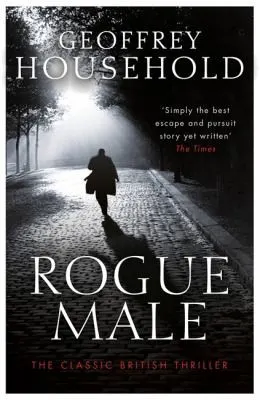
An English sportsman attempts to assassinate a European dictator and becomes the quarry in a relentless manhunt. Household’s 1939 classic gradually strips away civilization until its fugitive is living by nerves, terrain and animal cunning.
That transformation will feel startlingly familiar to a lover of Tarka. A hedgerow is not scenery but shelter; disturbed earth, a snapped stem or a trace of scent can mean life or death. Household writes with the same pleasure in physical resourcefulness and the same understanding that the pursued creature’s world becomes fiercely immediate. Long regarded as his masterpiece, Rogue Male is one of the great novels of pursuit: lean, ingenious and increasingly feral.
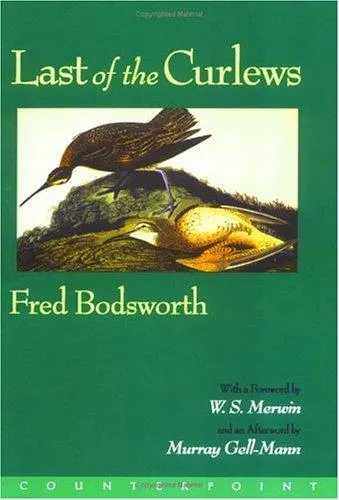
Bodsworth follows a solitary Eskimo curlew on its immense migration across the Americas, driven onward by hunger, season and the diminishing hope of finding another of its kind. The bird never becomes a disguised human or a mouthpiece for a moral; its life remains governed by wind, instinct, exhaustion and habitat.
Like Williamson, Bodsworth turns exact natural observation into tragedy without sentimental pleading. The distances feel bodily, every resting place precarious, and the curlew’s vulnerability is sharpened by the beauty of the world through which it travels. This brief Canadian conservation classic has haunted generations of readers because it makes extinction intimate: not a statistic, but one living creature crossing an enormous sky.
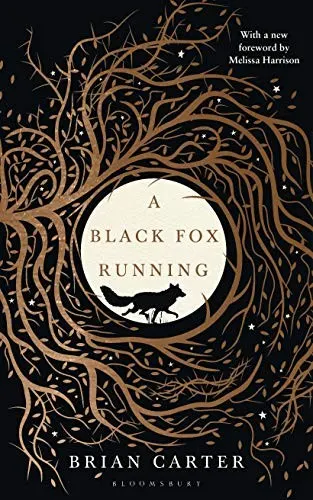
Across Dartmoor, foxes, buzzards, adders, stoats and human hunters inhabit overlapping territories of appetite and fear. Carter renders their lives in muscular, sensuous prose: frost tightens the ground, prey leaves readable marks, and every beautiful vista contains the possibility of sudden violence.
This is the closest of the three to Tarka’s particular achievement. Carter shares Williamson’s ability to sustain a whole wild community rather than merely decorate a story with nature, and he refuses to divide it into innocent victims and wicked predators. Championed by writers including Ted Hughes, A Black Fox Running has acquired the devotion due to a neglected classic. Anyone who treasures Tarka’s fusion of lyricism, cruelty and ecological exactness should not let it remain neglected.