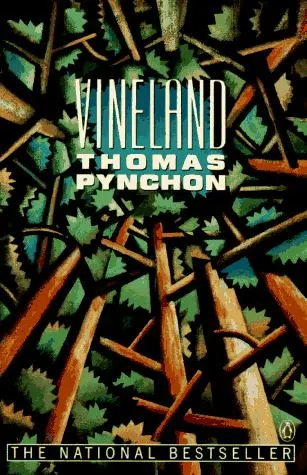
Books like Vineland
In these novels, American history crashes through the living-room wall in a gaudy costume: funny, frightening, and trailed by the people who once thought they could change it.
If you liked Vineland, you’ll love these
Not lookalikes — kindred books. Each one shares something essential with Vineland, and we tell you exactly what.
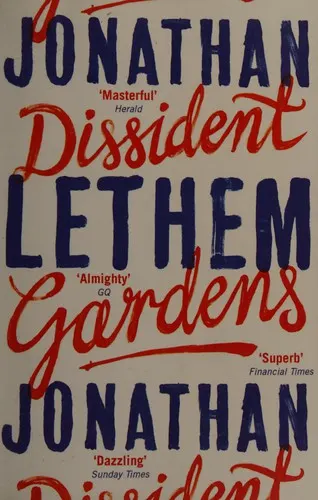
Lethem follows the embers of American radicalism as they pass through generations, scorching friendships and family life long after the slogans have faded. At its center is Rose Zimmer, a ferocious Communist whose politics are inseparable from her appetite for argument, domination, and love.
Like Vineland, this is less a requiem for the Left than an inquiry into what political defeat does to private feeling. Lethem understands that movements survive not only as ideas but as grudges, habits, jokes, songs, and damaged children. His characters are infuriating without becoming caricatures, and the novel’s comedy keeps opening into genuine sorrow. Few books capture so well the peculiar intimacy of ideological disappointment.
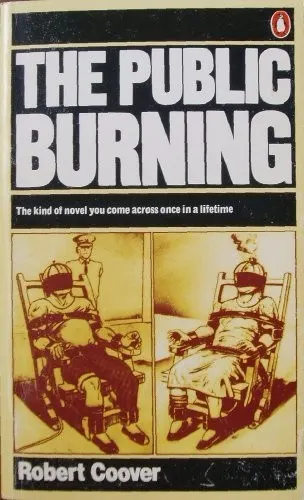
Coover turns the execution of Julius and Ethel Rosenberg into an obscene national pageant, with Richard Nixon as a hapless protagonist and Uncle Sam as a swaggering embodiment of American appetite. The result is a carnival of propaganda, sex, patriotism, paranoia, and theatrical violence.
A cult landmark of American postmodernism, The Public Burning has Pynchon’s gift for making slapstick feel like political diagnosis. Its jokes do not offer escape from power; they show how power manufactures jokes, myths, and spectacles to make itself irresistible. If Vineland’s sinister television logic delighted you, Coover’s funhouse version of public history is essential reading.
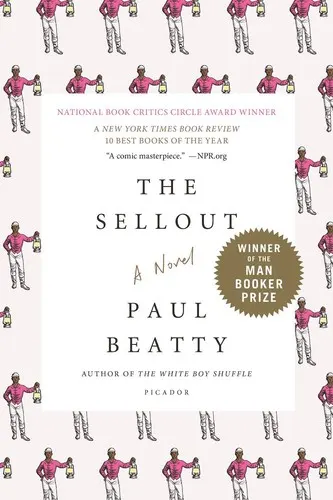
The Sellout begins with its narrator before the Supreme Court, smoking marijuana and contemplating the outrageous acts that brought him there. From that audacious opening, Beatty builds a satire whose jokes arrive at terrifying speed, puncturing every comfortable language Americans use to discuss race, justice, community, and progress.
Winner of the Booker Prize, it shares Vineland’s rare ability to be politically furious without becoming solemn. Beatty’s comedy is sharper and more confrontational than Pynchon’s, but both writers understand absurdity as a governing institution, not a decorative flourish. Beneath the virtuoso riffs is a stubborn attachment to compromised people and damaged places. Missing it would mean missing one of the most fearless comic novels of contemporary America.