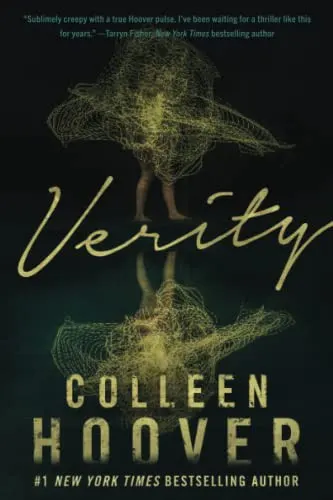
Books like Verity
Desire curdles into suspicion; private writing becomes dangerous evidence; and every apparent truth has another, darker version underneath. These three novels sustain that intoxicating mix of intimacy, dread, and uncertainty.
If you liked Verity, you’ll love these
Not lookalikes — kindred books. Each one shares something essential with Verity, and we tell you exactly what.
The great ancestor of Verity’s domestic Gothic unease. A young woman enters the magnificent home of her new husband only to find it dominated by Rebecca, his charismatic dead wife. Du Maurier makes rooms, possessions, and casual remarks feel like traps—and turns romantic longing into a source of profound vulnerability.
Its suspense comes from the same irresistible question that animates Verity: how well can one woman understand another through the traces she leaves behind? Continuously read since 1938 and immortalized by Hitchcock, Rebecca has lost none of its seductive menace. Read it and you will recognize the blueprint—but its psychological force remains inimitable.
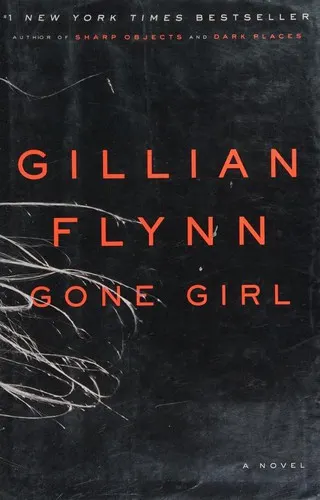
On Nick and Amy Dunne’s fifth wedding anniversary, Amy disappears, leaving Nick under increasingly hostile scrutiny. From there, Gillian Flynn subjects marriage to a merciless forensic examination, using competing narratives, written records, and razor-edged observations to make certainty feel impossible.
If Verity thrilled you by making attraction and revulsion coexist, Gone Girl intensifies that sensation. Flynn’s characters are frightening not because they are unknowable, but because their ugliest impulses are rendered with wicked intelligence. This phenomenon helped redefine the modern domestic thriller, and its voice, structural audacity, and poisonous wit still embarrass most of its imitators.
Blythe wants to be a loving mother, but from the beginning she fears that something is wrong between her and her daughter. Her husband dismisses those fears, and Audrain locks the reader inside Blythe’s account, where maternal instinct, inherited trauma, exhaustion, and possible danger become agonizingly difficult to separate.
The Push trades Verity’s overt sensationalism for a quieter pressure that becomes nearly unbearable. Its clean, intimate prose makes every doubt feel like a confession whispered directly to you, while its moral ambiguity ensures that you keep revising your judgment. Audrain’s bestselling debut earned devoted readers because it delivers the rare ending that sharpens everything before it rather than merely overturning it.