Author
Books like J. G. Farrell
4 books we recommend to J. G. Farrell readers, drawn from The Siege of Krishnapur and Troubles — each with the reason why.
If you loved The Siege of Krishnapur
Mr Biswas longs for independence, dignity, and a house that will prove he has possessed his own life. Unfortunately, buildings leak, money vanishes, relatives intrude, and every noble aspiration must negotiate with cheap materials and bodily need.
That is precisely Farrell’s comic territory: abstractions exposed by objects. Naipaul makes domestic arrangements as revealing as Farrell makes military ones, while the enormous Tulsi household becomes a miniature society governed by custom, dependency, and self-serving mythology. Yet the satire never cancels Mr Biswas’s claim on our sympathy. Widely regarded as Naipaul’s masterpiece, it turns one prickly, thwarted man’s material struggle into something both very funny and genuinely heroic.
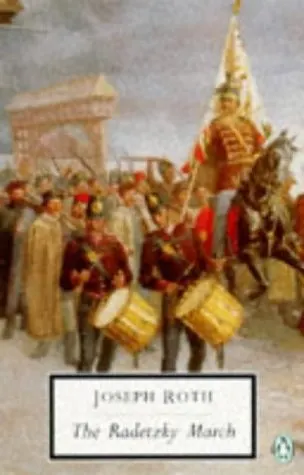
Roth begins with an act of battlefield heroism that is promptly transformed into patriotic legend. From that discrepancy—between what happened and what an empire needs to believe happened—he builds his great novel of the Habsburg world and the Trotta family bound to it.
A lover of Farrell will recognize the fascination with institutions sustained by ceremony, euphemism, and collective denial. Uniforms, meals, official language, portraits, and music carry enormous comic and political weight. But Roth’s irony is gentler and more elegiac: he sees the empire’s absurdity while making its loss emotionally palpable. The Radetzky March is one of the defining novels of imperial decline, compact enough to feel intimate and expansive enough to make an entire civilization seem to breathe—and falter.
If you loved Troubles
Aroon St Charles narrates the decline of her Anglo-Irish family with magnificent confidence and almost no understanding of what she reveals. Every genteel phrase conceals neglect, humiliation, or desperation; like Farrell, Keane makes manners funniest when they are least capable of containing reality.
Shortlisted for the Booker Prize, this late-career triumph is now regarded as Keane’s masterpiece. Its comedy is colder and more intimate than that of Troubles, but its shabby grandeur and ruthless control are irresistible. Once you have heard Aroon’s voice, you will wonder how you ever did without it.
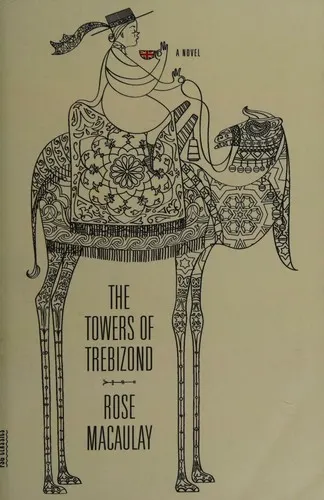
Macaulay begins with an Englishwoman’s Aunt Dot setting off through Turkey with a camel, an Anglican clergyman, and plans for emancipating local women. The resulting comedy is gloriously dry: imperial assumptions, religious quarrels, travel mishaps, and British eccentricity accumulate with Farrell-like precision.
But beneath the absurdity lies a piercing novel about belief, guilt, and the stories clever people tell to avoid judging themselves. Winner of the James Tait Black Memorial Prize, it has inspired unusually devoted readers because its comic surface keeps opening onto unexpected depths. Few novels are simultaneously this airy, strange, and spiritually serious.