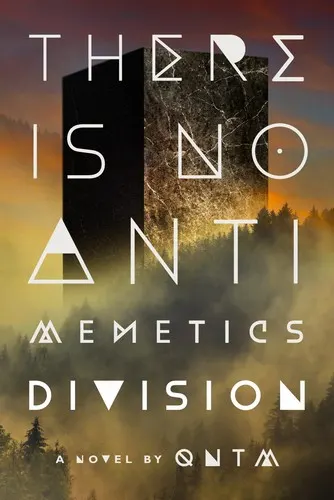
Books like There Is No Antimemetics Division
Years later, its absences are still active: it teaches you to see forgotten facts, broken continuity, and even your own confusion as evidence. These three novels likewise turn reading into a dangerous act of inference.
If you liked There Is No Antimemetics Division, you’ll love these
Not lookalikes — kindred books. Each one shares something essential with There Is No Antimemetics Division, and we tell you exactly what.
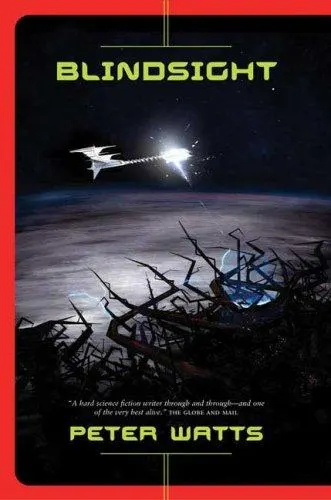
For the ruthless intellectual pressure of qntm’s horror, read Blindsight. After an inexplicable event envelops Earth, a surgically altered observer joins a crew of extreme specialists sent to investigate. Every member is frighteningly competent—and competence may be inadequate when the problem concerns the nature of intelligence itself.
Watts handles consciousness as qntm handles memory: not as a mystical essence, but as a vulnerable mechanism whose supposed importance can be tested. The dense science, hostile ideas, and accumulating revisions demand close attention; apparent technical details become existential threats. A Hugo finalist with an unusually devoted readership, Blindsight is one of modern hard science fiction’s great arguments disguised as a first-contact nightmare.
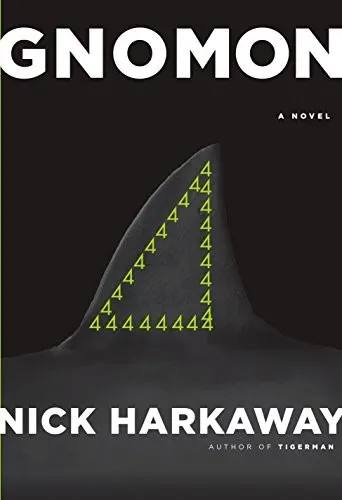
Gnomon offers the particular pleasure of discovering that the book you are reading is also a machine you must reverse-engineer. In a near-future surveillance state, an investigator examines the neural record of a woman who died during interrogation. Inside it she encounters several elaborate lives, each convincing enough to destabilize the investigation around it.
Harkaway makes information both clue and camouflage. Stories contain stories; symbols recur with altered meanings; certainty becomes suspicious. Where qntm uses bureaucratic fragments and missing memories, Harkaway uses nested consciousnesses and competing realities, but both trust the reader to assemble an impossible object without simplifying it. Gnomon is huge, demanding, funny, and dazzlingly constructed—the rare labyrinth whose architecture is part of its emotional force.
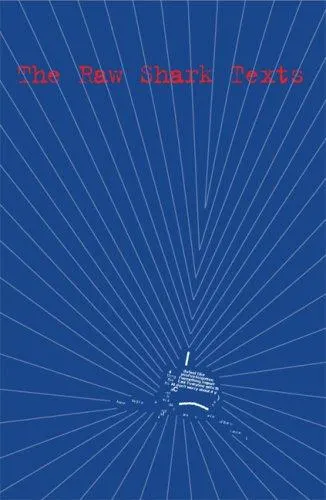
Eric Sanderson wakes without his memories and begins receiving letters from the person he used to be. The letters warn him about a predator that moves through language and thought. Hall does not merely describe this danger: he lets it invade the typography, structure, and physical space of the novel.
That formal audacity will delight anyone who loved how There Is No Antimemetics Division makes omissions feel tangible. Yet beneath the conceptual pursuit is a moving inquiry into grief, selfhood, and whether forgetting protects us or erases us. Winner of a Somerset Maugham Award and now a cult favorite, The Raw Shark Texts turns the printed page into terrain. Reading it electronically is possible; reading the physical book is an encounter.