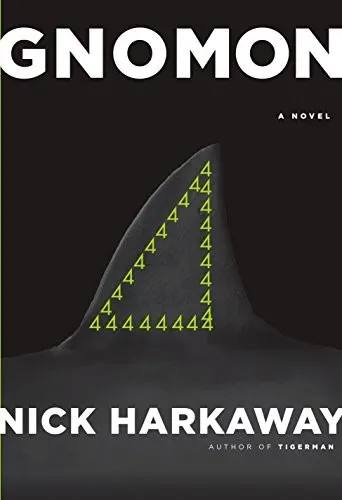
Books like Gnomon
—because the real thrill of Gnomon is not simply solving its puzzle, but feeling whole systems of reality rearrange themselves as you read. These three novels offer that same rare combination of intellectual audacity, structural play and emotional consequence.
If you liked Gnomon, you’ll love these
Not lookalikes — kindred books. Each one shares something essential with Gnomon, and we tell you exactly what.
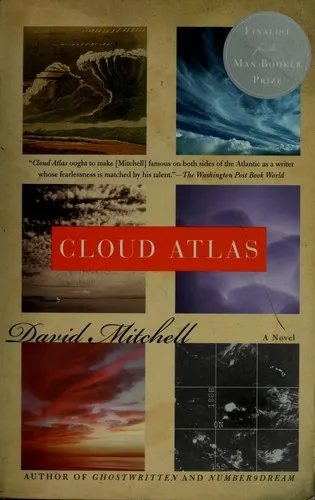
Mitchell’s six narratives nest inside one another like stories dreaming other stories, moving through radically different voices and genres. The virtuosity is exhilarating, but—as in Gnomon—the architecture is not decorative. Each narrative changes how you understand the others, until questions about power, exploitation and human connection begin echoing across the entire book.
Shortlisted for the Booker Prize and now a touchstone for intricately constructed fiction, Cloud Atlas earns its reputation through sheer rereadability: once you know its shape, you want to enter it again and notice every hidden rhyme. Anyone who loved surrendering to Gnomon’s proliferating identities should experience Mitchell’s humane, ferociously controlled masterpiece.
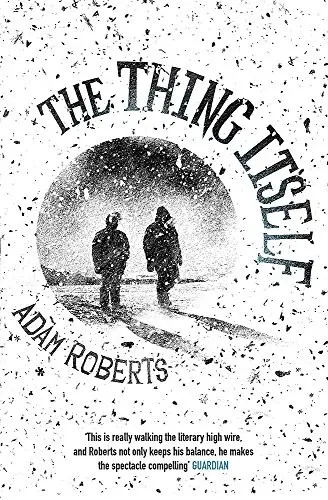
Two men at an Antarctic research station argue about Kant, reality and whether the universe exists independently of human perception. Then Roberts starts breaking open the conventions of the novel itself.
The Thing Itself shares Gnomon’s appetite for philosophy, artificial intelligence and ontological vertigo, along with its refusal to separate serious ideas from genre pleasure. Roberts jumps between periods and literary styles with mischievous confidence, repeatedly forcing the reader to reconsider what kind of story is being told. Yet beneath the cleverness lies a moving concern with loneliness, guilt and the limits of consciousness. It is one of contemporary British science fiction’s great under-read feats of invention.
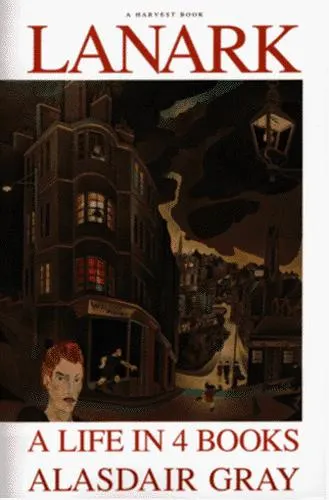
Lanark begins with an uncertain young man in the nightmarish city of Unthank, where identity, memory and even bodily reality seem unstable. From there, Gray builds a novel that is simultaneously dystopian fantasy, autobiographical Künstlerroman, political satire and argument with its own author.
What will feel familiar is the sensation that every apparent level of the fiction may be concealing another mechanism. Gray uses dislocation, metafiction and visual design not as games for their own sake, but to examine how cities, institutions and private failures deform a life. First published in 1981, Lanark became a landmark of Scottish literature and influenced generations of formally adventurous novelists. Its strange authority only grows: miss it, and you miss one of the crucial ancestors of novels like Gnomon.