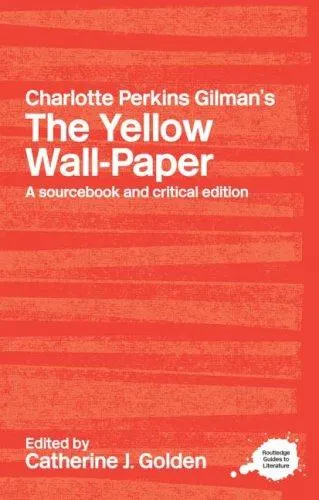
Books like The Yellow Wallpaper
A room becomes a mind, care becomes coercion, and the voice dismissed as irrational proves frighteningly perceptive. These novels sustain that same pressure: women resisting the identities imposed on them, while language and physical space turn unstable around them.
If you liked The Yellow Wallpaper, you’ll love these
Not lookalikes — kindred books. Each one shares something essential with The Yellow Wallpaper, and we tell you exactly what.
No novel better recreates Gilman’s unnerving uncertainty about where a disturbed mind ends and a hostile room begins. Eleanor Vance, lonely after years of family duty, joins a small group investigating Hill House; almost immediately, the house seems to recognize her deepest needs.
Jackson’s sentences are exquisitely controlled, making tiny social humiliations as alarming as supernatural disturbances. Like Gilman, she understands that isolation and belittlement can make captivity feel like belonging. Widely regarded as a masterpiece of literary horror, this is the rare haunted-house novel whose most frightening presence may be its heroine’s hunger for a home.
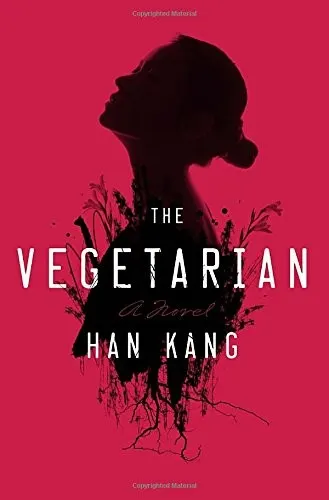
Han Kang begins with a seemingly simple refusal: Yeong-hye stops eating meat after a dream. Her family treats this private decision as an intolerable act of rebellion, and the effort to correct her grows increasingly invasive.
What makes this kin to Gilman is its devastating portrait of control disguised as concern. Yeong-hye is largely observed by others, so her resistance becomes more enigmatic—and more powerful—as relatives interpret her body for her. Winner of the 2016 Man Booker International Prize, The Vegetarian is spare, dreamlike, and ferocious: a novel about what happens when saying no is the only language left.
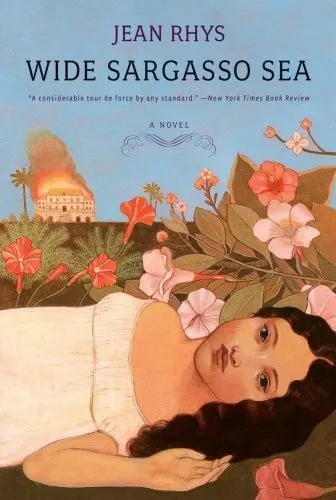
Jean Rhys gives imaginative life to the silenced woman behind one of literature’s most notorious images: the “madwoman in the attic” from Jane Eyre. Antoinette Cosway grows up amid racial hostility and familial instability in the Caribbean, then enters a marriage in which love, money, naming, and sanity become weapons.
Rhys’s great achievement is to show identity being dismantled from both inside and outside. The lush landscape never offers freedom; it intensifies the novel’s feverish sense that reality belongs to whoever has the power to describe it. Now recognized as Rhys’s masterpiece and a landmark act of literary reclamation, Wide Sargasso Sea is indispensable for anyone haunted by Gilman’s question of who gets to declare a woman mad.