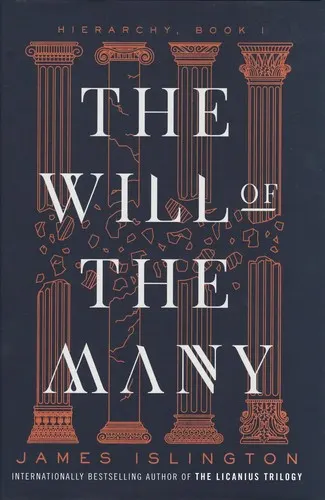
Books like The Will of the Many
The Will of the Many and Pierce Brown’s Red Rising share the rare ability to make every lesson, alliance, and victory feel like a move in a lethal game.
If you liked The Will of the Many, you’ll love these
Not lookalikes — kindred books. Each one shares something essential with The Will of the Many, and we tell you exactly what.
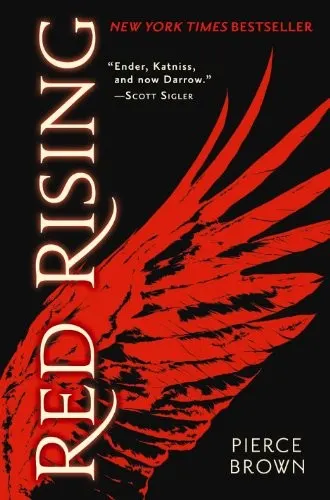
Brown matches Islington’s intoxicating combination of first-person urgency, rigid social hierarchy, strategic competition, and barely contained rebellion. Darrow is another exceptionally capable young man forced to study the ruling order closely—even as anger threatens the discipline his plans require.
What makes Red Rising irresistible is its acceleration: rivalries become campaigns, tests become blood feuds, and apparent victories expose larger dangers. Brown’s ingenious set pieces and cliff-edge reversals have inspired a fiercely devoted readership and an expansive saga, but this first novel already delivers the same compulsive pleasure as watching Vis maneuver through an institution designed to own him.
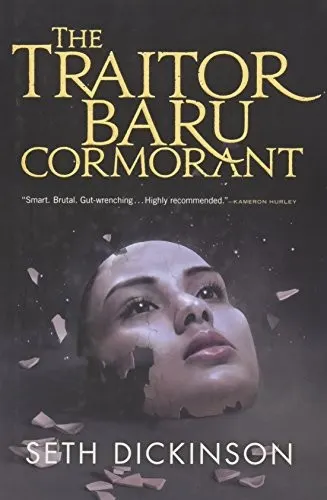
If Hierarchy’s systems of power fascinated you as much as Vis’s secrets did, read this next. Baru confronts an empire that conquers not only through armies but through schools, trade, laws, and carefully manufactured ideas. She resolves to master those mechanisms from within, turning accountancy, policy, and reputation into weapons.
Dickinson makes political intelligence genuinely thrilling: a budget can conceal an attack, a promotion can become a trap, and every compromise carries a measurable human cost. Baru is brilliant without being invulnerable, and the novel refuses to pretend that infiltrating a monstrous system leaves the infiltrator untouched. Few modern fantasies examine power with such cold precision or inspire such passionate argument among their readers.
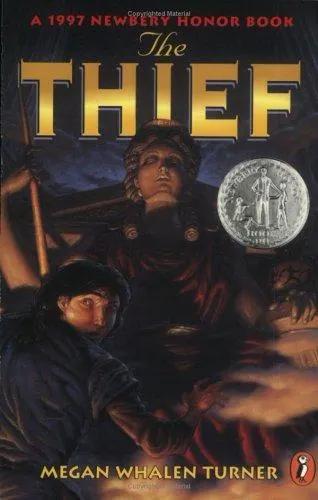
Turner offers a quieter but equally satisfying form of narrative gamesmanship. Gen, an imprisoned thief with an outrageous opinion of his own abilities, is recruited for a dangerous expedition; his boastful voice, inconvenient behavior, and sharp observations immediately make him entertaining company.
The apparent simplicity is deliberate. Turner controls perspective and information so deftly that small remarks, petty quarrels, and seemingly incidental choices gather new meaning. The result is the kind of revelation-driven storytelling that makes Islington’s puzzles so pleasurable—and makes an immediate reread almost compulsory. A Newbery Honor novel and the beginning of the beloved Queen’s Thief series, it has earned its lasting reputation through precision rather than spectacle.