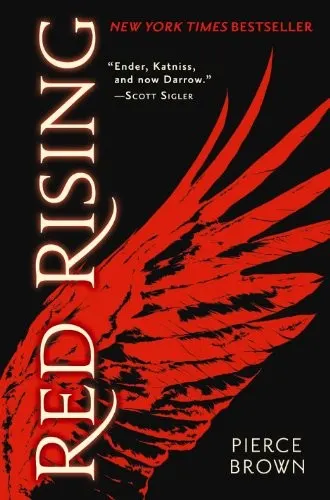
Books like Red Rising
A hidden knife enters the palace, a battered sword returns to the training yard, and a professional killer steps beneath the lights: each promises the same intoxicating moment when an oppressed man decides the world’s hierarchy can bleed.
If you liked Red Rising, you’ll love these
Not lookalikes — kindred books. Each one shares something essential with Red Rising, and we tell you exactly what.
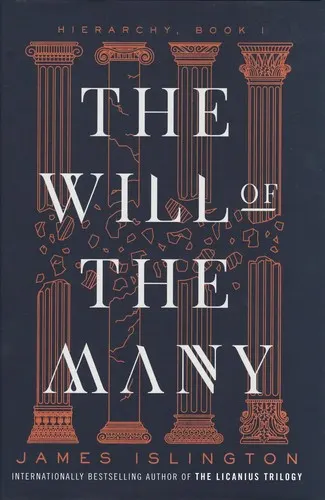
Vis enters an elite academy while concealing both his identity and his hatred of the empire that controls it. Like Darrow, he must turn performance into a weapon: reading rivals, cultivating alliances, and winning contests whose rules conceal more dangerous games.
Islington makes intelligence feel physical. Every examination and social encounter tightens the trap, while Vis’s competence produces the same addictive pleasure as Darrow transforming himself into someone the ruling class cannot dismiss. Yet the novel has its own elaborate political machinery and an ending whose audacity helped make it one of the most passionately discussed epic-fantasy debuts of recent years. If the Institute was where Red Rising truly seized you, this is the book most likely to do it again.
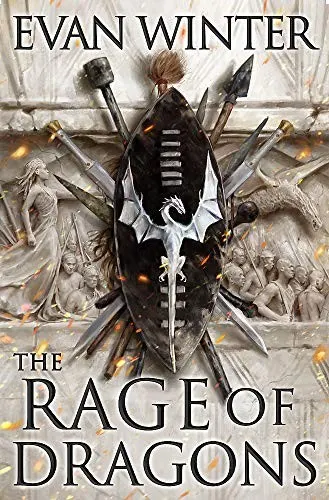
Tau is not the strongest or most privileged fighter in his rigidly stratified society. What he possesses is fury—and a willingness to train with such punishing intensity that obsession begins to look like a supernatural advantage.
This is the match for readers who loved Red Rising’s velocity and raw emotional combustion. Winter writes combat with extraordinary clarity, but the deeper thrill comes from watching humiliation and grief refined into terrifying skill. Originally self-published before its fervent reception brought it to a major publisher, the novel became the kind of fantasy readers press urgently into friends’ hands. Its title is not decorative: the rage is the engine, and once it catches, the book scarcely lets you breathe.
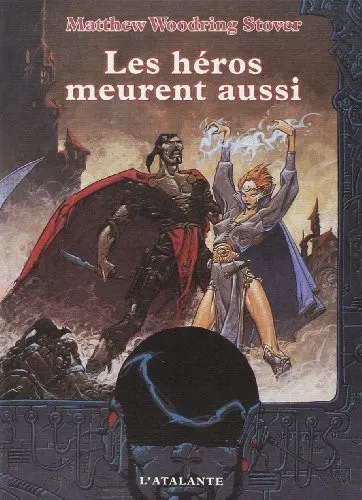
Hari Michaelson is Caine, a legendary assassin whose lethal adventures in another world are broadcast as entertainment to a decadent future Earth. When those in power tighten their control over both his career and his life, their favorite weapon becomes dangerously difficult to manage.
Stover delivers the brutality, black humor, impossible odds, and anti-authoritarian exhilaration that make Darrow’s campaigns so compulsive. But beneath the carnage is a fierce argument about spectacle, complicity, and why audiences love violent heroes. Long before grimdark became a marketing category, Heroes Die was combining philosophical science fiction with some of fantasy’s most ferocious action; its enduring cult reputation is thoroughly earned. Caine is the rare protagonist who can make Darrow seem restrained—and missing his entrance means missing one of speculative fiction’s great antiheroes.