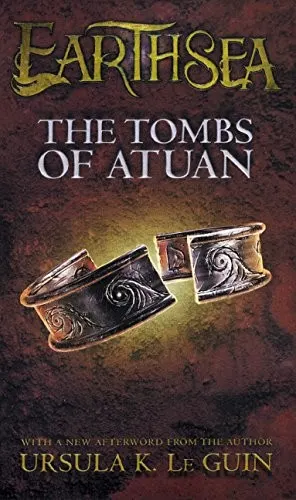
Books like The Tombs of Atuan
The Tombs of Atuan and Susanna Clarke’s Piranesi are companionable masterpieces: each turns an immense sacred labyrinth into both a prison and a way of understanding the self. These three novels share Le Guin’s fascination with ritual, inward freedom, dangerous love, and identities imposed by others.
If you liked The Tombs of Atuan, you’ll love these
Not lookalikes — kindred books. Each one shares something essential with The Tombs of Atuan, and we tell you exactly what.
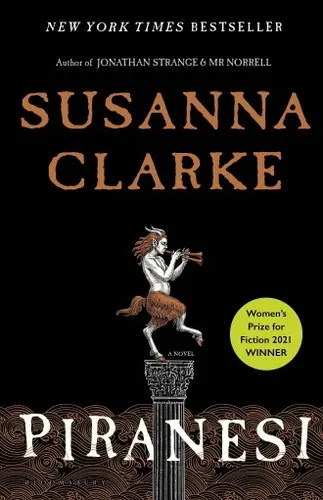
Piranesi lives almost alone in the House, an apparently infinite succession of halls filled with statues, birds, tides, and clouds. He approaches it with the reverence and patient attention that Tenar gives the Tombs—but his devotion raises the same troubling question: is this sacred enclosure his true home, or has it taught him not to imagine escape?
Clarke makes solitude palpable without making it monotonous. Piranesi’s journal is innocent, exact, and quietly funny; every observation deepens both the House’s beauty and the unease surrounding it. Like Le Guin, Clarke understands that liberation is not merely finding a door: it means discovering which memories, loyalties, and names are genuinely yours. Winner of the Women’s Prize and already beloved as a modern fantasy classic, this brief, luminous novel offers the rare experience of inhabiting a mystery rather than simply solving one.
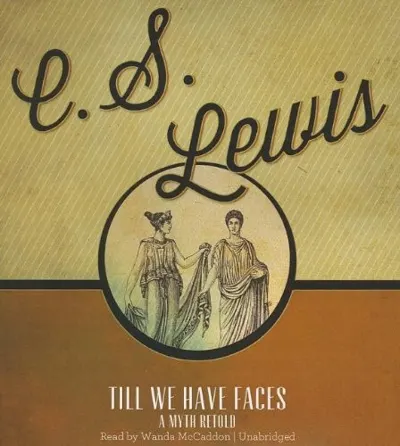
Orual, an aging queen, writes an accusation against the gods. Her grievance begins with her beautiful sister Psyche, whose fate becomes entangled with sacrifice, religious authority, and commands that appear cruel or incomprehensible. The result is not a pious fable but a fierce examination of what people call love when they want to possess, protect, or define another person.
A reader moved by Tenar’s struggle between her assigned sacred role and her buried self will recognize Orual’s battle with masks, names, and divine silence. Yet Lewis approaches that struggle through a formidable, wounded voice: intelligent enough to prosecute the gods, and honest enough to endanger her own case. Often regarded as Lewis’s finest novel—and the one he himself valued most highly—it has the density of myth and the intimacy of confession. Its final emotional force is difficult to shake.
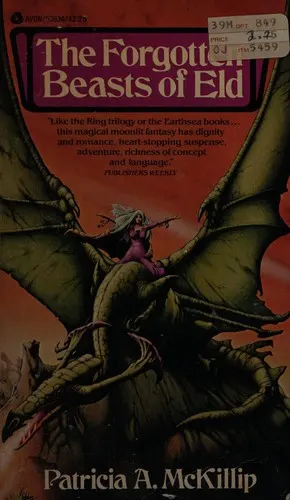
High on a mountain, the wizard Sybel lives among legendary creatures summoned and held by the power of their true names. Self-contained and remote, she seems complete until a man brings her an infant to raise, drawing human attachment and political violence into her carefully governed solitude.
McKillip’s kinship with Le Guin lies in her moral precision. Magic is never mere ornament: naming grants power, power creates obligations, and anger can become another kind of captivity. Sybel has Tenar’s austerity and formidable inwardness, but her story explores a different temptation—the desire to answer injury with perfect control. McKillip’s crystalline prose can make a single beast, gesture, or winter landscape feel archetypal without losing emotional specificity. A World Fantasy Award winner with generations of devoted readers, this is one of fantasy’s great compact novels: beautiful, severe, and merciless about the cost of treating any living soul as a possession.