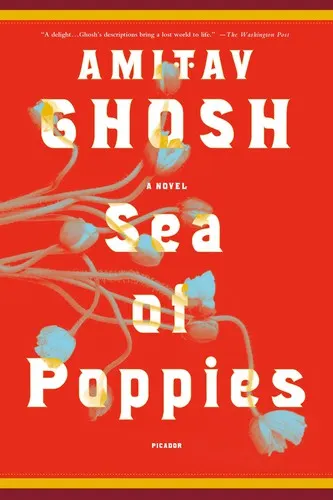
Books like Sea of Poppies
…because the real intoxication of Sea of Poppies lies in its many voices: the way private hungers, invented languages, and vast systems of power all crowd onto the same page. These three novels offer that same sense of a world becoming larger as you read.
If you liked Sea of Poppies, you’ll love these
Not lookalikes — kindred books. Each one shares something essential with Sea of Poppies, and we tell you exactly what.

Jones builds a whole society around the unsettling historical fact of Black slaveholders in antebellum Virginia. Like Ghosh, he refuses to reduce history to a contest between symbolic heroes and villains: every person has appetites, evasions, loyalties, and blind spots, while the institution surrounding them corrupts even ordinary gestures.
The novel’s omniscient voice moves freely among lives and across time, making minor figures suddenly central and revealing how an entire world is held together by law, money, rumor, and violence. Winner of the Pulitzer Prize, The Known World is one of the rare historical novels whose moral complexity matches its imaginative abundance. If Ghosh made you feel history operating through a crowd of unforgettable individuals, Jones’s masterpiece is indispensable.
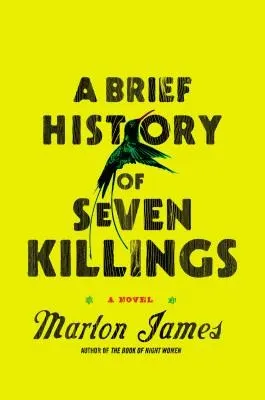
For the reader who loved Ghosh’s linguistic daring, this Booker Prize winner offers a thrilling new chorus. James tells his story through a multitude of competing voices—intimate, boastful, frightened, calculating—rendered in prose that shifts its rhythm and vocabulary with every speaker. No neutral authority smooths them into a single official account.
The novel begins around the attempted assassination of Bob Marley in 1976, but its true subject is how power travels: through neighborhoods, political factions, intelligence agencies, music, money, and fear. It demands attention, then rewards it with the sensation of hearing a society speak all at once. Few contemporary novels equal its velocity or vocal range.

Catton’s immense pleasure lies in orchestration. In a New Zealand gold-rush town, a secret gathering draws the reader into a web of vanished men, disputed fortunes, concealed motives, and intersecting testimony. The cast is large, but each new perspective alters the shape of what came before; reading becomes an act of navigation much like following the shifting alliances aboard the Ibis.
Beneath the elaborate mystery is a sharp understanding of colonial capitalism: how quickly value can be manufactured, stolen, transported, or mistaken for virtue. Catton won the Booker Prize at twenty-eight for this audaciously structured novel, and its intricacy never excludes warmth, wit, or human longing. Anyone who relished the teeming architecture of Sea of Poppies should experience the satisfaction of watching The Luminaries lock into place.