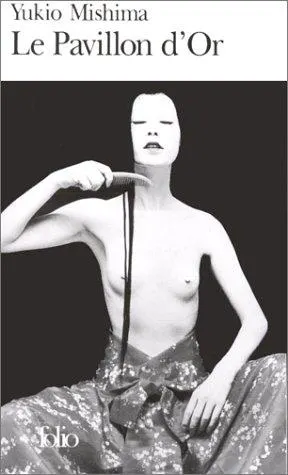
Books like The Temple of the Golden Pavilion
In each of these novels, a solitary mind holds beauty up to the light until its edge begins to look like a weapon.
If you liked The Temple of the Golden Pavilion, you’ll love these
Not lookalikes — kindred books. Each one shares something essential with The Temple of the Golden Pavilion, and we tell you exactly what.
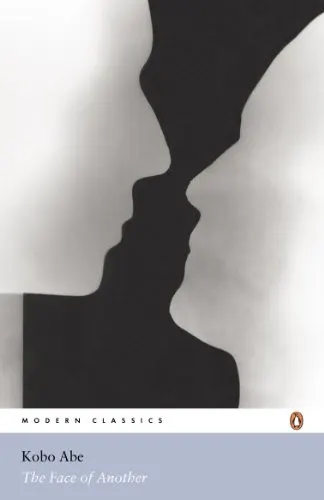
After an accident disfigures him, a scientist designs a lifelike mask and records the experiment for his estranged wife. Like Mizoguchi, he converts bodily shame into an elaborate philosophy, treating other people as evidence in a private case against the world.
Abe’s cool, exact prose makes each rationalization sound plausible just before revealing its perversity. One of the great postwar Japanese novels, The Face of Another offers the same unnerving pleasure as Mishima’s book: watching formidable intelligence become the servant of resentment.
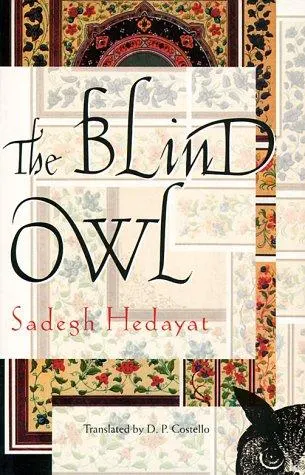
Hedayat’s nameless narrator writes a confession to his own shadow while an image of impossible beauty returns in increasingly distorted forms. Here, as in The Temple of the Golden Pavilion, beauty does not redeem ordinary life; it humiliates it, poisoning desire with the knowledge that possession can only corrupt the ideal.
But where Mishima is lucid and architectural, Hedayat is feverish and circular. Images recur like fragments of a nightmare that cannot decide whether it is memory, fantasy, or guilt. This brief, hypnotic novel became a foundational work of Persian modernism; anyone drawn to Mizoguchi’s poisoned inwardness should experience its darker, dream-bound counterpart.
The aristocratic des Esseintes withdraws from society to construct a completely artificial world governed by his exquisite tastes—colors, perfumes, paintings, jewels, rare books. His pursuit of perfection gradually exposes the hostility concealed inside aesthetic refinement.
That is the deepest kinship with Mishima: both novels ask what happens when beauty ceases to be one value among others and becomes an absolute, licensed to judge life itself. Huysmans renders obsession through sumptuous, almost narcotic catalogues, making taste feel at once magnificent and diseased. A defining novel of the Decadent movement, Against Nature helped shape the aesthetic imagination of writers from Wilde onward; it remains the indispensable novel of beauty cultivated past the point of sanity.