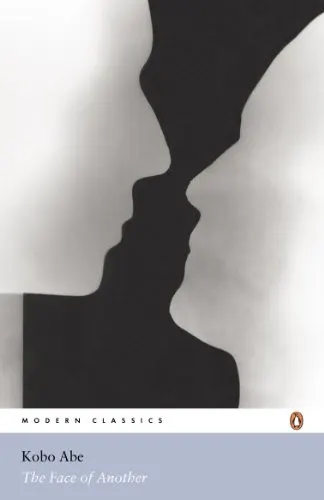
Books like The Face of Another
—because the mask is never merely a disguise: Abe’s real subject is the frightening possibility that identity itself is a performance, sustained by other people’s eyes. These three novels pursue that suspicion with comparable intelligence and unease.
If you liked The Face of Another, you’ll love these
Not lookalikes — kindred books. Each one shares something essential with The Face of Another, and we tell you exactly what.
A man detained at the Swiss border insists that he is not the missing sculptor everyone recognizes him as. Ordered to record his story in notebooks, he tries to write himself out of an identity—and only reveals how deeply he remains entangled in it.
Like Abe, Frisch turns a conceptual premise into an intimate examination of marriage, shame, resentment, and self-deception. The narrator’s problem is not simply that others have mistaken him; it is that every version of the self may be a story told to escape responsibility. A landmark of postwar German-language fiction, I’m Not Stiller has Abe’s rare combination of intellectual rigor and emotional cruelty: it makes the wish to become someone else feel both liberating and morally disastrous.
A wealthy woman enters her former maid’s room and encounters something that shatters her secure sense of herself. From that stark opening, Lispector builds one of literature’s most intense acts of consciousness: a voice trying, sentence by sentence, to survive the collapse of its accustomed categories.
Where Abe approaches identity through prosthesis, social judgment, and experiment, Lispector strips identity away through language itself. Her narrator’s cultivated face—class, femininity, taste, even humanness—begins to seem like a thin arrangement imposed over something impersonal and terrifying. Widely regarded as Lispector’s masterpiece, this is not a novel one merely follows; it recruits the reader into its crisis. Anyone haunted by Abe’s question of what remains beneath the face should experience Lispector’s far more radical answer.
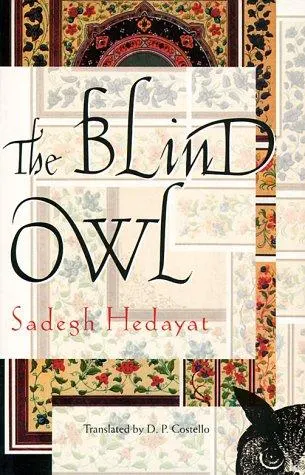
The unnamed narrator of The Blind Owl paints the same mysterious image again and again, addresses his confession to his own shadow, and watches reality fracture into obsessive repetitions. Hedayat’s prose is feverish yet exact: every object seems charged with private meaning, while every attempt at explanation makes the speaker less trustworthy.
A reader of The Face of Another will recognize the disturbing intimacy of being trapped inside a brilliant, estranged man’s account—especially when desire turns other people into projections and self-analysis becomes another form of concealment. But Hedayat replaces Abe’s clinical chill with nightmare lyricism, creating a book that feels ancient, narcotic, and startlingly modern. A foundational work of modern Persian fiction, it has inspired generations of devoted and unsettled readers; its images linger like memories you cannot prove are yours.