Books like The Sundial
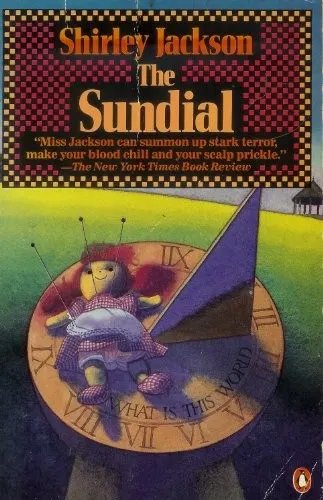
They have scarcely returned from Lionel Halloran’s funeral when his small daughter coolly asks whether Grandmother pushed him down the stairs. These novels share Jackson’s delight in sealed societies where catastrophe becomes another occasion for vanity, maneuvering, and impeccable bad manners.
If you liked The Sundial, you’ll love these
Not lookalikes — kindred books. Each one shares something essential with The Sundial, and we tell you exactly what.
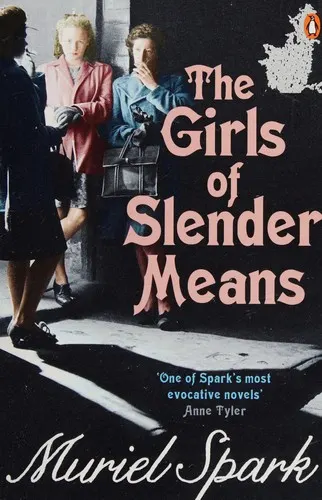
Spark’s May of Teck Club is a miniature civilization governed by beauty, scarcity, gossip, and social rank. Its young residents share clothes, ration soap, sunbathe on the roof, and measure one another with merciless precision while postwar London celebrates peace outside.
Like Jackson, Spark can make a chorus of selfish voices both viciously funny and strangely enchanting. Her prose is even more compressed: a dress, a window, or a casual remark acquires ominous force without losing its comic absurdity. The novel announces from the outset that something terrible lies ahead, then lets frivolity and danger occupy the same sentence. Widely considered among Spark’s finest novels, it offers the rare pleasure of comedy sharpened until it becomes revelation.

If the Hallorans’ conversational blood sport was your favorite part of The Sundial, meet Duncan Edgeworth and his household. Compton-Burnett strips family life down to dialogue: ceremonious exchanges in which affection is leverage, honesty is aggression, and every polite question conceals a bid for power.
There is almost no narrative cushioning, so the reader learns to hear every hesitation and euphemism as a weapon. The effect is austere, addictive, and savagely comic; terrible conduct is met not with melodrama but with another beautifully balanced sentence across the dinner table. Often regarded as one of Compton-Burnett’s masterpieces, A House and Its Head reveals the literary tradition behind Jackson’s most poisonous domestic comedy—and may permanently alter how you listen to fictional families.
Ninety-two-year-old Marian Leatherby receives an enormous hearing trumpet and promptly discovers that her family intends to send her away. The institution awaiting her is less a retirement home than a surreal spiritual regime, populated by indomitable old women who refuse to behave as supporting characters in anyone else’s world.
Carrington shares Jackson’s instinct that an approaching transformation will not ennoble people: it will expose their appetites, grudges, credulity, and genius for improvisation. Yet her escalating strangeness feels exhilarating rather than arbitrary, powered by feminist mischief and absolute imaginative conviction. A cult classic by one of Surrealism’s most singular artists, The Hearing Trumpet is what you read when you want The Sundial’s apocalypse-minded women, social satire, and sublime nonsense pushed joyfully past the edge of reason.