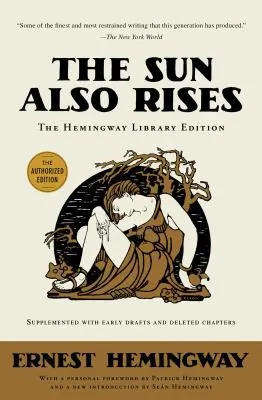
Books like The Sun Also Rises
—because the fiesta, the drinking, and the expatriate glamour are only the visible layer; what endures is Hemingway’s art of making wounded desire speak through jokes, silences, and evasions. These novels possess that same pressure beneath the prose.
If you liked The Sun Also Rises, you’ll love these
Not lookalikes — kindred books. Each one shares something essential with The Sun Also Rises, and we tell you exactly what.

Ford’s landmark of unreliable narration also follows an elegant social circle whose civilized manners conceal sexual betrayal and emotional ruin. Its narrator promises a simple account, then circles backward, revises himself, and accidentally reveals far more than he understands.
Where Hemingway trusts omission, Ford trusts contradiction; both make the reader detect pain that the speaker cannot name. The famous opening—“This is the saddest story I have ever heard”—is not an announcement but a puzzle whose meaning keeps changing. Read it for the unnerving pleasure of discovering that casual phrases can carry the weight of entire broken lives.
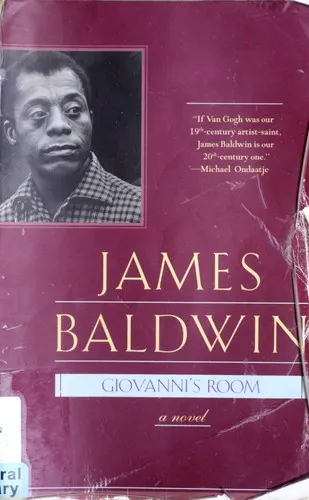
Baldwin takes the masculine fear and thwarted intimacy latent in Hemingway and brings them into devastating focus. An American in Paris tries to maintain a defensible idea of who he is while desire exposes how much of that identity is performance, cowardice, and inherited shame.
The prose is more lyrical than Hemingway’s but equally controlled: clean sentences, exact physical details, and emotion intensified by refusal. Now firmly established as an American classic, the novel has inspired generations of readers because it offers no comfortable distance from its narrator’s self-deception. It is brief, beautiful, and likely to leave the silence after its final page feeling charged.
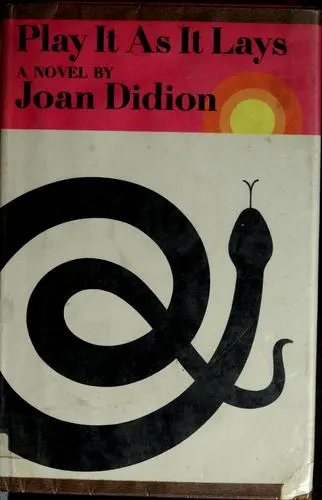
If what you loved was the hard surface over psychic collapse, Didion’s cult classic is indispensable. Maria Wyeth moves through Hollywood, freeways, parties, and strained conversations with a composure that looks increasingly like a survival mechanism. Didion strips scenes to gestures and fragments, making what is absent feel almost physically present.
Her short chapters have Hemingway’s velocity but a colder, hallucinatory rhythm; dialogue arrives like thrown glass. The novel refuses consolation without becoming merely bleak, finding a fierce dignity in continuing when explanations have failed. Few books make emptiness this tense, stylish, or difficult to look away from.