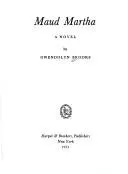
Books like Maud Martha
Readers who cherish Maud Martha tend to notice where whole lives hide: in a glance, a room, a private humiliation, a moment of stubborn delight. They value poetic precision, episodic form, and heroines whose quiet perceptions become acts of resistance.
If you liked Maud Martha, you’ll love these
Not lookalikes — kindred books. Each one shares something essential with Maud Martha, and we tell you exactly what.
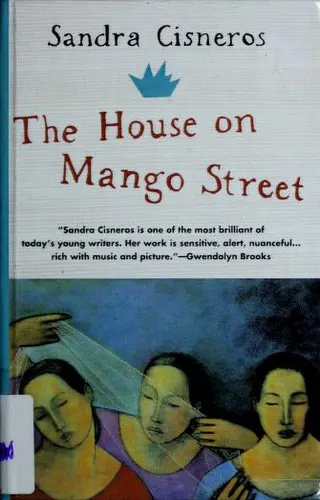
Cisneros builds a life from brief, luminous pieces—names, hair, houses, shoes, shame—much as Brooks lets an ordinary moment suddenly reveal an entire social world. Esperanza’s voice is younger and more openly urgent than Maud’s, but she shares Maud’s instinct for converting what diminishes her into language that cannot be diminished.
Winner of an American Book Award and beloved across generations, this slender novel has extraordinary staying power because its apparent simplicity is so artful. Every vignette seems effortless until one sentence opens beneath you. If Maud Martha taught you how much a small book can contain, Mango Street is indispensable.
Lucy begins with a young woman arriving in a new country to work for a wealthy family, but Kincaid’s real subject is the sovereignty of perception. Lucy scrutinizes beauty, affection, privilege, and the stories other people impose on her; nothing—not even a flower—is innocent of history.
Where Brooks’s prose often glows, Kincaid’s cuts, yet both writers understand that looking closely can be a form of self-possession. Kincaid’s long, incantatory sentences make anger and intelligence inseparable. Read Lucy for a heroine whose refusal to be interpreted by others feels bracingly alive—and for prose so exact that its judgments continue sounding after the book ends.
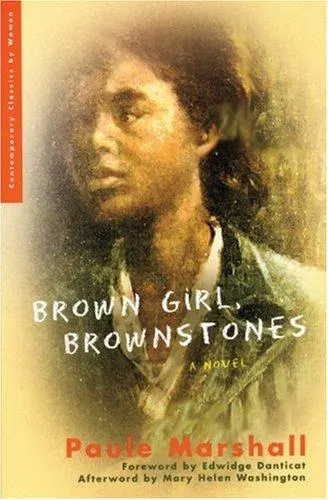
Marshall gives domestic life the scale of history. Opening inside a Brooklyn brownstone and a Barbadian immigrant family, the novel renders rooms, money, food, ambition, and family argument with sensuous particularity. Like Brooks, Marshall knows that a girl’s developing sense of beauty and worth is shaped by pressures that enter through the most intimate places.
First published in 1959 and later reclaimed as a landmark of Black women’s writing, Marshall’s debut is broader and more bustling than Maud Martha, but it shares its moral seriousness about lives too easily called ordinary. Its women are difficult, formidable, compromised, and unforgettable. To miss it is to miss one of the crucial novels that made richly interior Black girlhood impossible to treat as marginal.