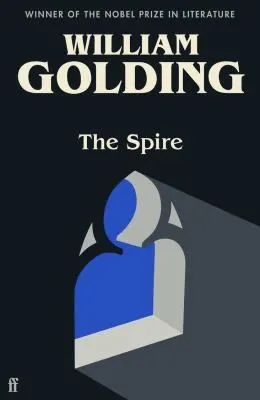
Books like The Spire
When does a sacred vision become permission to ruin other people? These three novels share The Spire’s fascination with conviction, self-deception, physical appetite, and the terrible ambiguity of grace.
If you liked The Spire, you’ll love these
Not lookalikes — kindred books. Each one shares something essential with The Spire, and we tell you exactly what.
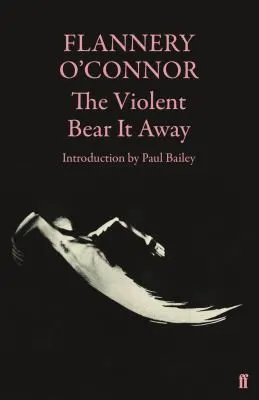
Fourteen-year-old Francis Tarwater has been raised by his fanatical great-uncle to believe he is a prophet. Once left to himself, he must decide whether that vocation is divine, delusional, or somehow both.
Like Golding, O’Connor refuses the comfortable opposition between enlightened reason and foolish faith. Her characters’ spiritual claims are grotesquely entangled with pride, violence, hunger, and resistance; yet the possibility of genuine revelation is never safely dismissed. Her fierce comic prose makes every physical object seem charged with judgment. One of O’Connor’s two extraordinary novels, it has the concentrated, disturbing authority of a parable whose meaning will not sit still.
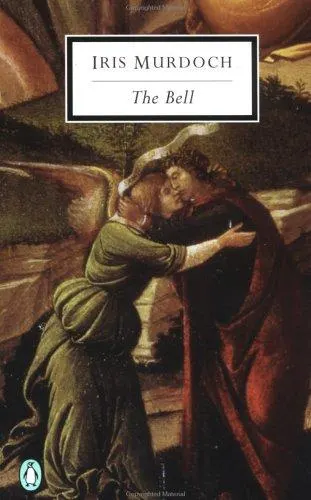
At Imber Court, a lay religious community attempts to build a disciplined life beside an enclosed order of nuns. Into it comes Dora Greenfield, reluctantly returning to her domineering husband—and bringing unruly desire, vanity, kindness, and confusion into an institution sustained by ideals.
Murdoch is less feverish than Golding but equally alert to the damage done when people turn moral aspiration into control. She moves among several minds, revealing how each person edits reality to preserve a cherished self-image. The result is compassionate, witty, and quietly devastating: a novel in which holiness and hypocrisy do not cancel each other but coexist. The Bell remains one of Murdoch’s most loved novels because its moral intelligence is inseparable from its wonderfully tangible human mess.
On the Day of the Dead in Mexico, the former British consul Geoffrey Firmin drinks while his estranged wife returns hoping their marriage can still be saved. Around that simple beginning, Malcolm Lowry constructs a world of signs, echoes, political menace, private guilt, and thwarted salvation.
A reader enthralled by Golding’s immersion in Jocelin’s consciousness will recognize the experience: reality bends around one damaged man’s obsession, while the prose makes his inner catastrophe feel monumental. Lowry’s imagery accumulates with architectural precision, but the foundation is painfully intimate—the gulf between what Firmin can perceive and what he can admit. Its hard-won reputation as a modernist masterpiece rests on this fusion of symbolic grandeur and bodily degradation. Few novels make damnation feel so lucid, seductive, and heartbreakingly avoidable.