Books like The Skin
The Skin and Kaputt form a pair of black mirrors, turning Europe’s wartime ruin into beauty so extravagant that beauty itself becomes an accusation.
If you liked The Skin, you’ll love these
Not lookalikes — kindred books. Each one shares something essential with The Skin, and we tell you exactly what.
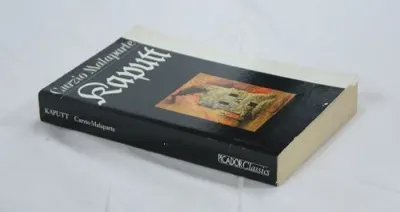
The essential next book: Malaparte again writes as eyewitness, fabulist, social performer and unreliable moral anatomist. Moving through Axis Europe as a correspondent, he observes power at dinner tables and catastrophe beyond them, arranging reality into polished, grotesque tableaux whose factual uncertainty only sharpens their emotional truth.
Often regarded as his masterpiece, Kaputt has the same unnerving mixture of pity, vanity, mordant comedy and visionary horror that makes The Skin incomparable. Few books better capture a civilization retaining its manners after losing its soul.
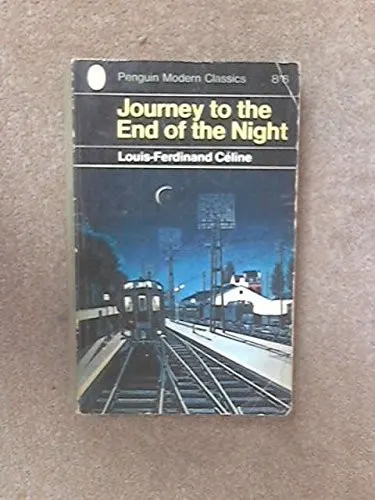
If you loved the laughter in The Skin—the laughter that erupts when disgust and grief become unbearable—Céline is indispensable. His narrator enters the First World War with no patience for patriotic grandeur, then applies the same corrosive intelligence to empire, industry, poverty and respectable society. Where Malaparte composes sumptuous tableaux, Céline lunges forward in slang, exclamations and furious comic riffs.
Winner of the Prix Renaudot and one of the novels that permanently changed French prose, it remains electrically alive despite the author’s abhorrent politics. Its voice offers no safe position of innocence, yet keeps finding wounded human beings beneath the universal fraudulence. To miss it is to miss one of modern literature’s great acts of stylistic insurrection.
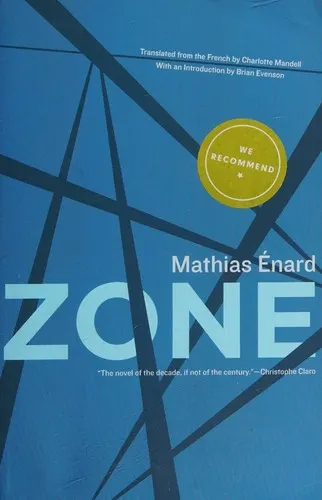
On a train from Milan to Rome, an intelligence operative carries a briefcase filled with secrets while his mind ranges across the wars and massacres of the Mediterranean. Énard turns that journey into an immense, nearly unbroken sentence: names, memories, myths and atrocities accumulate until history feels less like the past than a fever circulating through the present.
The kinship with The Skin lies in its contaminated beauty. Énard can make the Mediterranean shimmer while refusing to let scenery conceal the violence deposited beneath it; his narrator is knowledgeable, compromised and unable to decide whether collecting horrors is remembrance or another form of exploitation. Awarded the Prix du Livre Inter and now admired as a major feat of contemporary European fiction, Zone has Malaparte’s historical nausea but transforms it into hypnotic momentum.