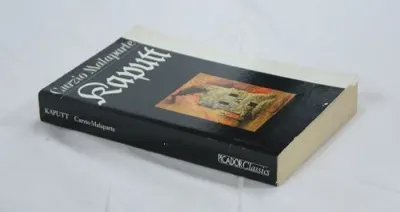
Books like Kaputt
Splendor in extremis. These novels share Malaparte’s rare gift for making civilization’s collapse at once horrifying, theatrical, mordantly funny, and indecently beautiful.
If you liked Kaputt, you’ll love these
Not lookalikes — kindred books. Each one shares something essential with Kaputt, and we tell you exactly what.
The indispensable next book: not a repetition of Kaputt but its harsher, more intimate companion. In liberated Naples, Malaparte again moves among soldiers, diplomats, ruined aristocrats, profiteers, and the starving, turning eyewitness history into grotesque pageantry.
The same dangerously seductive narrator presides—vain, compassionate, cruel, and impossible to trust completely—but here the body itself becomes the governing image: occupied, traded, shamed, and stubbornly alive. The prose can pass within a page from drawing-room wit to biblical lament and from obscenity to piercing tenderness. Admirers often argue over which is Malaparte’s masterpiece; anyone who stops at Kaputt has read only half of his astonishing reckoning with Europe.
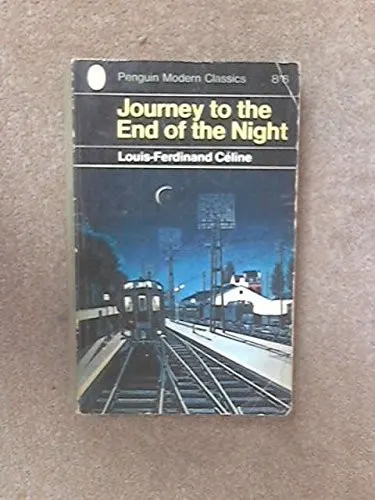
Read this for the corrosive comic voltage behind Kaputt. Bardamu’s impulsive rush into the First World War begins an assault on every noble account society gives of itself. Like Malaparte, Céline understands that cowardice, vanity, appetite, and absurdity do not disappear in catastrophe—they become catastrophe’s native language.
The novel’s revolutionary slang-driven voice changed French prose, and its influence remains immense despite the author’s repellent political legacy. What makes it essential here is not shared wartime subject matter but the same unstable mixture of disgust and exhilaration: sentences that spit at humanity yet remain hypnotically alive to it. Few books make moral nausea this funny, rhythmic, or difficult to forget.
Abel Tiffauges, the keeper of a strange, obsessive journal, interprets ordinary life through private myths of giants, children, animals, signs, and destiny. As history darkens around him, those fantasies acquire a frightening grandeur. The resulting narrator has precisely the quality a Kaputt reader recognizes: cultivated and monstrous, ridiculous and visionary, capable of transforming political evil into a gorgeous personal cosmology.
Winner of the Prix Goncourt in 1970, The Ogre is admired for the audacity with which it fuses historical reality, fairy tale, theology, and bodily grotesquerie. Tournier’s images do not merely decorate horror; they reveal how aesthetic rapture can collaborate with it. This is a stranger, more mythic book than Kaputt, but it casts the same dangerous spell—and leaves the reader wondering whether beauty has exposed evil or briefly become its accomplice.