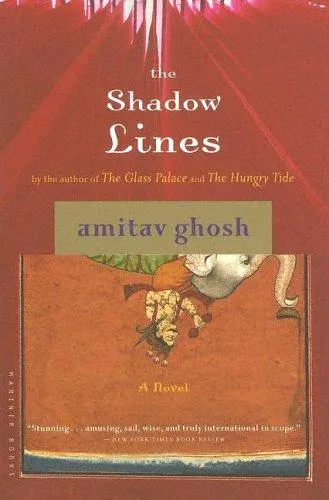
Books like The Shadow Lines
How much of a border is built from fences, and how much from the stories people are taught to remember? These novels share Ghosh’s gift for making history intimate, unstable, and impossible to leave safely in the past.
If you liked The Shadow Lines, you’ll love these
Not lookalikes — kindred books. Each one shares something essential with The Shadow Lines, and we tell you exactly what.

In an aging Old Delhi house, two sisters revisit a childhood whose grievances have hardened into family mythology. Desai moves through time as memory does: circling, correcting, and suddenly illuminating moments that once seemed trivial. Partition remains largely beyond the walls, yet its logic of separation enters every room.
Shortlisted for the Booker Prize, this is a quieter novel than The Shadow Lines but an equally exact one. Desai makes a family home hold an entire historical consciousness—and reveals reconciliation not as forgetting, but as learning to see the past whole.
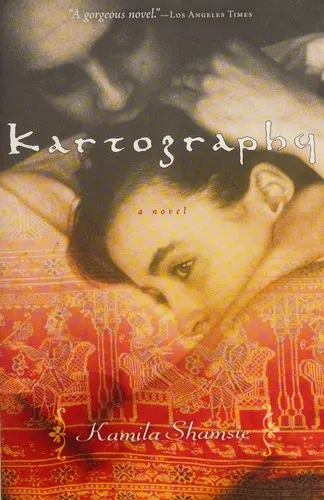
Raheen and Karim grow up inseparable in Karachi, surrounded by parents whose romantic history is entangled with the violence of 1971. Shamsie turns maps, changed names, jokes, and family evasions into evidence: every intimate bond carries a disputed version of the city’s past.
What makes Kartography irresistible is its combination of political intelligence and youthful velocity. Its lovers and friends are witty, infuriating, and alive; history matters because it has entered their vocabulary and damaged their capacity for trust. Few novels so vividly show how inherited silences become emotional borders.
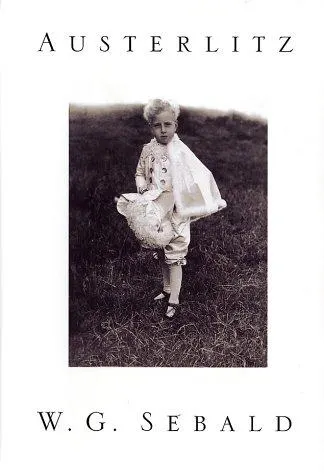
A chance meeting in a railway station begins a decades-long sequence of conversations with an architectural historian who seems haunted by absences he cannot name. Sebald’s long, hypnotic sentences drift through stations, fortresses, photographs, and half-recovered memories until buildings themselves appear to remember what nations suppress.
Winner of the National Book Critics Circle Award and now regarded as a landmark of modern fiction, Austerlitz offers the deepest formal kinship here: history arrives indirectly, through digression and belated recognition. Like Ghosh, Sebald abolishes the boundary between private memory and public catastrophe. The result is strange, patient, and devastating.