
Books like The Safekeep
The Safekeep and Sarah Waters’s The Paying Guests turn rooms, chores, and tightly policed manners into instruments of erotic suspense, then ask who has ever truly had the right to feel at home.
If you liked The Safekeep, you’ll love these
Not lookalikes — kindred books. Each one shares something essential with The Safekeep, and we tell you exactly what.
In 1922 London, Frances Wray and her widowed mother, short of money, take in a young married couple. Waters makes every domestic detail—shared bathrooms, overheard footsteps, a gramophone through the wall—vibrate with embarrassment and desire.
Like van der Wouden, she understands repression as an engine of suspense: longing changes how a woman sees her house, her duties, and herself. Waters’s celebrated gift for historical fiction lies in making social constraints feel bodily rather than decorative. The novel’s slow tightening is exquisite, and its emotional stakes become inseparable from questions of class, ownership, and freedom. Few novels make the distance between respectable manners and ravenous feeling so thrillingly narrow.

Szabó announces at once that the narrator bears responsibility for the death of Emerence, the formidable housekeeper who entered her life decades earlier. What follows is not a conventional mystery but the dissection of an intimacy: affectionate, combative, unequal, and shadowed by betrayal.
Readers who loved Isabel’s fixation on domestic order will recognize how cleaning, keys, food, and forbidden rooms can become a private moral language. Yet Emerence is one of fiction’s great indomitable creations, capable of making every exchange feel like a trial of character. Widely regarded as Szabó’s masterpiece, The Door has inspired unusual devotion because it refuses easy innocence. It leaves you wondering whether truly knowing another person is an act of love—or a trespass.
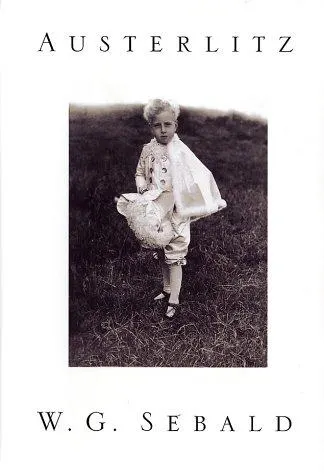
A chance meeting introduces the narrator to Jacques Austerlitz, an architectural historian whose learned, mesmerizing conversations gradually circle an absence in his own past. Sebald’s long, drifting sentences and grainy photographs make stations, waiting rooms, fortresses, and houses feel like repositories of lives official history has misplaced.
This is the deepest match for The Safekeep’s conviction that property is never merely property and that the past survives in objects long after people have agreed not to speak of it. Winner of the National Book Critics Circle Award and now a landmark of contemporary literature, Austerlitz achieves its force without melodrama: recognition arrives quietly, then alters everything around it. If van der Wouden made you feel that a house can testify, Sebald will make the whole built world seem unable to keep silent.