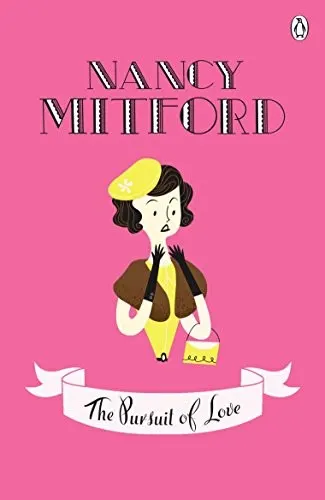
Books like The Pursuit of Love
The ideal Mitford reader delights in speed, social cruelty and magnificent romantic folly—and notices the heartbreak humming beneath every immaculate joke.
If you liked The Pursuit of Love, you’ll love these
Not lookalikes — kindred books. Each one shares something essential with The Pursuit of Love, and we tell you exactly what.
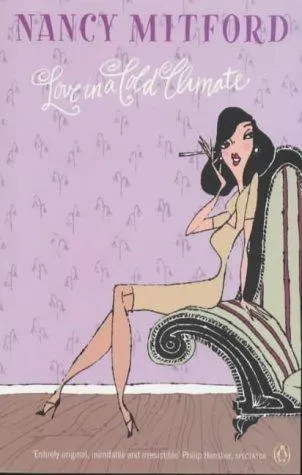
The indispensable companion novel returns to Fanny’s deceptively demure narration and the Radletts’ eccentric world, then shifts its attention to the beautiful, inscrutable Polly Hampton. Around her swirls one of Mitford’s finest comic creations: the Bolter, a serially absconding mother whose marital history is treated like a particularly lively itinerary.
It is cooler and more intricately plotted than The Pursuit of Love, but has the same irresistible compression: a character can be exposed by one remark, a whole marriage dispatched in a paragraph. Read it to discover how much more Mitford can do with the voice and society you already love.

Sally Jay Gorce is an American in Paris, determined to acquire experience and spectacularly unequipped to manage it. Her breathless narration turns bad decisions, unsuitable men and financial emergencies into high comedy. If Linda Radlett’s appetite for life thrilled you even when it made you wince, Sally Jay will feel like a transatlantic cousin.
Published in 1958, Dundy’s debut became a bestseller and then a cult classic because its voice still feels startlingly alive: candid, theatrical, vain, observant and impossible to resist. Beneath the champagne fizz is a sharp understanding of how young women convert uncertainty into performance. Few novels make recklessness this companionable.

Mitford understands that romantic absolutism can be ridiculous and entirely sincere at once; Elizabeth Taylor builds a brilliantly unsparing novel around that paradox. Angelica Deverell, a poor provincial girl with colossal self-belief, begins writing sumptuous romances about lives she has never lived—and bends reality around her fantasies.
Taylor’s comedy is quieter and more lethal than Mitford’s. She punctures pretension without denying its emotional power, so Angel becomes both monstrous and oddly moving. Long cherished by novelists and critics as one of Taylor’s masterpieces, this is the book for anyone who saw that The Pursuit of Love was not merely sparkling social comedy, but a tragicomic study of what happens when imagination demands more than life can supply.