Author
Books like Nancy Mitford
4 books we recommend to Nancy Mitford readers, drawn from The Pursuit of Love and Love in a Cold Climate — each with the reason why.
If you loved The Pursuit of Love
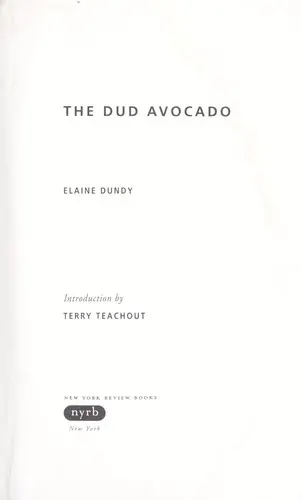
Sally Jay Gorce is an American in Paris, determined to acquire experience and spectacularly unequipped to manage it. Her breathless narration turns bad decisions, unsuitable men and financial emergencies into high comedy. If Linda Radlett’s appetite for life thrilled you even when it made you wince, Sally Jay will feel like a transatlantic cousin.
Published in 1958, Dundy’s debut became a bestseller and then a cult classic because its voice still feels startlingly alive: candid, theatrical, vain, observant and impossible to resist. Beneath the champagne fizz is a sharp understanding of how young women convert uncertainty into performance. Few novels make recklessness this companionable.
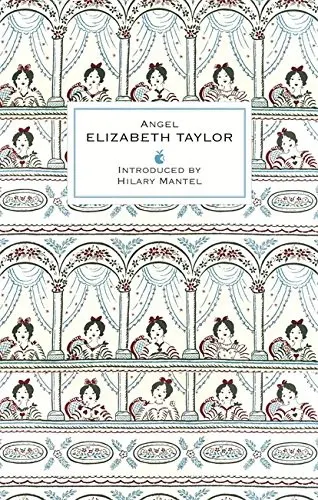
Mitford understands that romantic absolutism can be ridiculous and entirely sincere at once; Elizabeth Taylor builds a brilliantly unsparing novel around that paradox. Angelica Deverell, a poor provincial girl with colossal self-belief, begins writing sumptuous romances about lives she has never lived—and bends reality around her fantasies.
Taylor’s comedy is quieter and more lethal than Mitford’s. She punctures pretension without denying its emotional power, so Angel becomes both monstrous and oddly moving. Long cherished by novelists and critics as one of Taylor’s masterpieces, this is the book for anyone who saw that The Pursuit of Love was not merely sparkling social comedy, but a tragicomic study of what happens when imagination demands more than life can supply.
If you loved Love in a Cold Climate
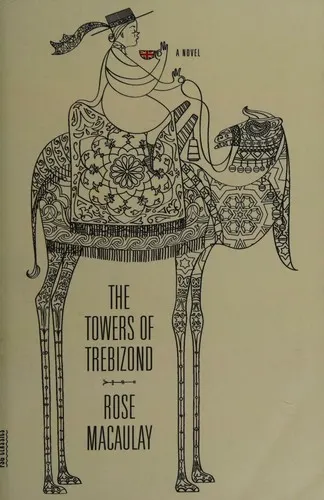
Aunt Dot travels through Turkey hoping to emancipate Muslim women by converting them to Anglicanism; her companions include a High Church clergyman and an increasingly consequential camel. Macaulay treats these splendid eccentrics with the same affectionate clarity Mitford gives Lady Montdore: every ridiculous conviction is allowed its full grandeur.
But the comedy surrounds a private moral ache. Like Fanny, Macaulay’s narrator can describe other people’s absurdities perfectly while remaining evasive about her own heart. The result is both wildly funny and unexpectedly desolate—a rare tonal feat that earned the novel the James Tait Black Memorial Prize and has kept its admirers fiercely devoted to it.
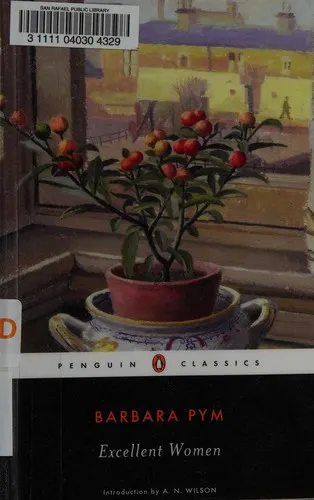
Mildred Lathbury is the capable unmarried woman everyone expects to arrange the jumble sale, make tea and absorb their confidences. When glamorous, disordered new neighbours enter her life, her apparent self-effacement becomes the ideal vantage point for a comedy of vanity, flirtation and social presumption.
Pym replaces Mitford’s aristocrats with clergy, anthropologists and respectable London women, but she shares Mitford’s genius for making a whole emotional hierarchy visible through one invitation or ill-judged remark. Mildred’s dry intelligence recalls Fanny’s, while her submerged desires give the comedy a quiet sting. Pym’s celebrated rediscovery—after Philip Larkin and Lord David Cecil named her among Britain’s most underrated writers—began the revival of a novelist whose smallest sentences can expose an entire life.