Books like The Ones Who Walk Away from Omelas
A woman’s decision to stop eating meat might seem remote from Le Guin’s radiant city, but Han Kang’s *The Vegetarian* begins from the same dangerous question: what happens when one person quietly withdraws consent from an arrangement everyone else calls normal? These three novels preserve *Omelas*’s unsettling blend of moral clarity, ambiguity, and readerly implication.
If you liked The Ones Who Walk Away from Omelas, you’ll love these
Not lookalikes — kindred books. Each one shares something essential with The Ones Who Walk Away from Omelas, and we tell you exactly what.
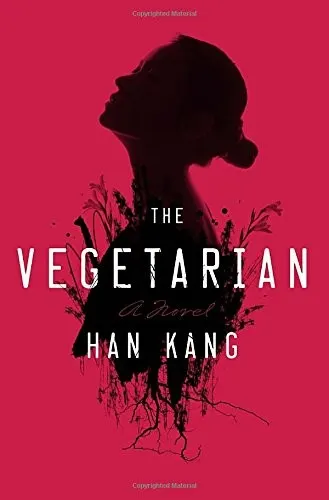
Yeong-hye’s refusal begins almost wordlessly, prompted by a dream; the people around her respond as though her private decision were an attack on the social order. Like Le Guin, Han reveals the coercion hidden inside ordinary respectability: family love, good manners, and common sense become instruments for forcing a dissenter back into place.
The novel’s shifting viewpoints never grant readers an easy, authoritative explanation. We must decide whether Yeong-hye’s refusal is liberation, self-erasure, illness, protest—or something that defeats those categories. Winner of the 2016 International Booker Prize, this spare, ferocious novel turns walking away into an act at once ethically compelling and painfully unresolved.
Kathy H. introduces herself as a “carer” and remembers an apparently idyllic English boarding school. Yet her tranquil, conversational narration is threaded with unexplained rules and euphemisms. Ishiguro makes the reader participate in decoding them, much as Le Guin makes us inspect the moral machinery beneath Omelas’s happiness.
What makes this Booker-shortlisted novel devastating is its restraint. It does not thunder against injustice; it shows how people learn to speak gently around it, make accommodations, and cherish ordinary happiness inside a system they scarcely know how to challenge. One of Ishiguro’s defining novels, it leaves the same stubborn question as *Omelas*: once you understand what comfort costs, what forms of acceptance—or refusal—remain possible?
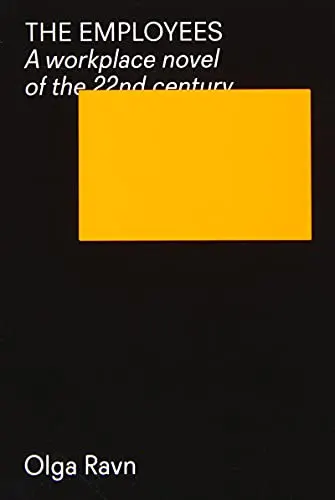
Aboard the Six-Thousand Ship, human and humanoid workers give numbered statements to an investigating committee. Their testimony concerns labor, memory, strange objects brought aboard, and the troubling possibility that an efficient social order may have misunderstood what a person is.
Ravn’s brief, fragmentary novel shares Le Guin’s ability to make speculative fiction function like a philosophical trap. Every deposition subtly changes the terms of judgment: productivity may be a kind of captivity, longing may signal freedom, and the supposedly artificial workers may possess the richest inner lives. Shortlisted for the International Booker Prize, *The Employees* is eerie, funny, and crystalline—a book small enough to read quickly but capacious enough to keep rearranging your moral intuitions afterward.