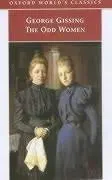
Books like The Odd Women
A brisk conversation becomes a trapdoor: beneath every opinion about love, work, and freedom lies the humiliating arithmetic of rent, age, sex, and respectability. The pleasure is intellectual and the pain intensely personal; Gissing lets emancipating ideas collide with needs that argument cannot abolish.
If you liked The Odd Women, you’ll love these
Not lookalikes — kindred books. Each one shares something essential with The Odd Women, and we tell you exactly what.
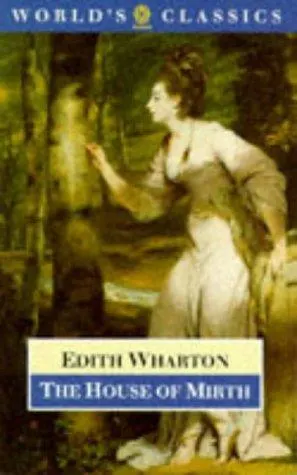
Wharton shares Gissing’s ruthless understanding that the marriage market is an economic system disguised as romance. Lily Bart is clever enough to read her society perfectly but has neither the money nor the training to stand outside it. Every drawing-room encounter therefore carries material stakes, and every apparent choice has already been narrowed by class and gender.
Yet this is no sociological case study. Lily’s wit, susceptibility to beauty, and talent for hesitation make her painfully alive, while Wharton’s sentences combine comedy with the precision of a knife. Widely regarded as one of the great American social novels, The House of Mirth offers the same exhilarating, terrible spectacle as The Odd Women: intelligence discovering that seeing the trap is not the same as escaping it.
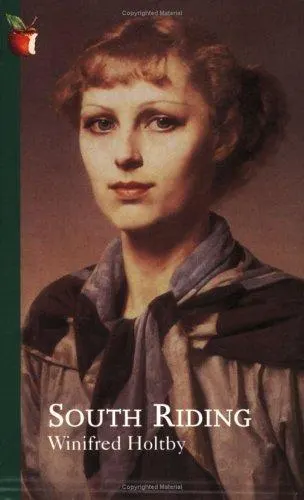
If Mary Barfoot and Rhoda Nunn’s arguments made you want a whole society tested against feminist ideals, read South Riding. Sarah Burton returns to Yorkshire to lead a girls’ school, bringing ambition, reforming zeal, and a determination to enlarge her pupils’ lives. Around her, Holtby builds an extraordinary civic panorama of teachers, councillors, landowners, debtors, and families whose futures depend on such unromantic matters as housing, sanitation, budgets, and education.
Holtby was both a feminist campaigner and a formidable journalist, and her final novel—winner of the James Tait Black Memorial Prize—turns public policy into urgent human drama. Its great kinship with Gissing lies in its refusal to let noble principles float free of money, temperament, or institutions. It is warmer and more expansive than The Odd Women, but no less intelligent about the cost of trying to make freedom practical.
Consequences begins with Alex Clare growing up in an upper-class Catholic family that has prepared her for one acceptable destiny while leaving her almost helpless before life itself. Delafield’s method is quieter than Gissing’s: instead of staging overt ideological combat, she exposes coercion through family phrases, small rebukes, embarrassed silences, and the relentless policing of what a young woman may want.
The result is devastating precisely because nobody needs to behave like a melodramatic villain. Convention does the work. Rediscovered by Persephone Books after decades of neglect, Consequences has become a cherished classic among readers of overlooked women’s writing. Anyone moved by Gissing’s attention to women rendered socially “superfluous” will recognize its moral seriousness—and may find Delafield’s cool restraint even harder to shake.