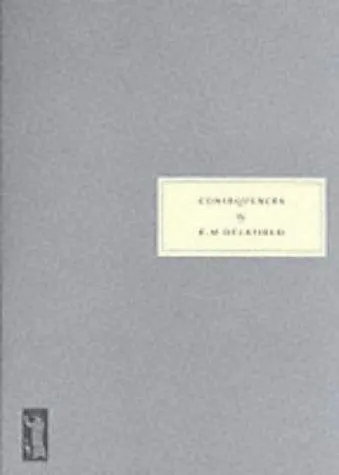
Books like Consequences
On the nursery floor, Alex Clare turns her dolls’ lives into an emotional catastrophe—the first sign of an imagination that her world will punish rather than cherish. These novels share Delafield’s insight into how dutiful femininity is manufactured from hunger, fear, and hope.
If you liked Consequences, you’ll love these
Not lookalikes — kindred books. Each one shares something essential with Consequences, and we tell you exactly what.
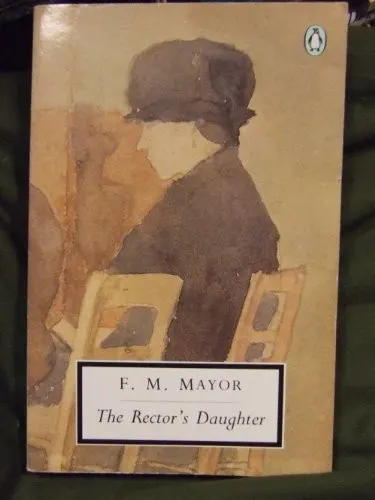
Mary Jocelyn keeps house for an exacting clergyman father, her intelligence and capacity for love almost invisible beneath practiced self-effacement. Like Delafield, Mayor understands that a woman need not be violently oppressed to have her life diminished: habit, duty, financial dependence, and other people’s mild assumptions can do the work perfectly well.
The prose is restrained, but Mary’s smallest hopes carry immense emotional weight. That tension between dry observation and nearly unbearable feeling makes this 1924 novel a natural companion to Consequences. Long cherished as a neglected masterpiece, it is one of those quiet books that permanently alters the meaning of words such as “unselfish” and “good.”
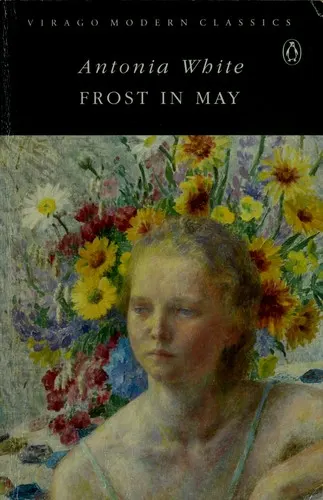
Nine-year-old Nanda Gray arrives at a Catholic convent eager to belong. What follows begins not with crude cruelty but with beauty, ceremony, friendship, and the seductive promise of spiritual perfection. White shows precisely how an imaginative child learns to distrust her own imagination—and why submission can feel like love.
The kinship with Alex Clare is profound: both girls are unusually susceptible to ideals offered by adults, and both encounter institutions that mistake emotional intensity for moral danger. White’s sensuous, exact account of convent life became the inaugural Virago Modern Classic, helping to establish an entire tradition of rediscovered women’s writing. It remains the rare school novel in which every rule seems to reach inside the soul.
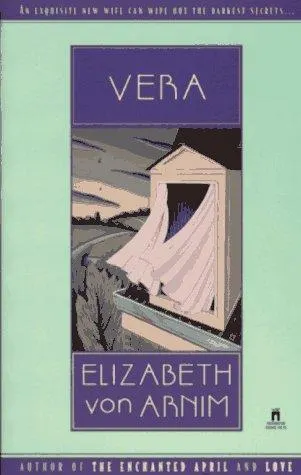
Lucy Entwhistle, grieving for her father, meets Everard Wemyss, who is grieving for his wife. His confidence and solicitude initially appear to offer shelter. Yet von Arnim lets discomfort gather inside ordinary courtesies: a corrected impression here, an overridden preference there, each presented as proof of devotion.
Where Consequences exposes the social education that leaves Alex defenseless, Vera shows how such education can be exploited in intimate life. Von Arnim’s wit makes the horror sharper, not lighter; the reader sees the trap forming through manners, romantic clichés, and Lucy’s determination to be grateful. This dark 1921 classic has acquired a devoted reputation as one of the most unnervingly perceptive novels about coercion ever written.