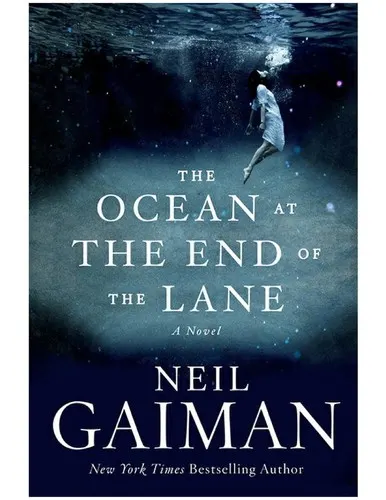
Books like The Ocean at the End of the Lane
The Ocean at the End of the Lane makes a duck pond feel older than the universe—and a frightened child’s perception more truthful than any adult explanation. Its magic matters because it gives shape to abandonment, cruelty, protection, and memory.
If you liked The Ocean at the End of the Lane, you’ll love these
Not lookalikes — kindred books. Each one shares something essential with The Ocean at the End of the Lane, and we tell you exactly what.
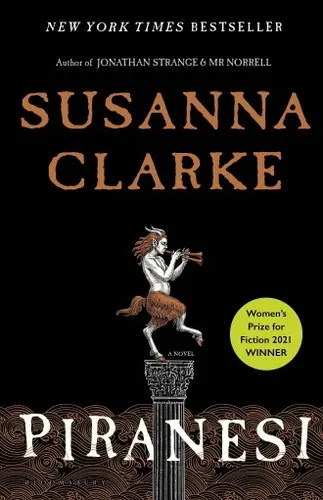
Piranesi lives in an apparently endless House of marble halls, tides, statues, and birds, recording its wonders with reverent precision. Like Gaiman, Clarke gives the impossible the texture of daily life, then lets small disturbances reveal how memory can be damaged and reality controlled.
What makes this Women’s Prize winner irresistible is its narrator’s gentleness. His openness is never treated as foolishness; it becomes a form of moral strength. Readers who loved the Hempstocks’ ancient kindness—and the melancholy beneath Gaiman’s enchantment—will find Piranesi’s strange, lucid voice hard to leave behind.
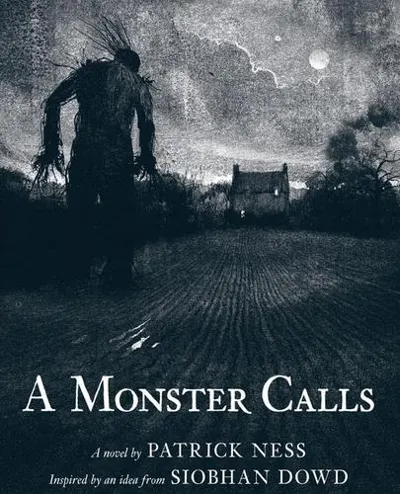
Shortly after midnight, a monster comes to thirteen-year-old Conor—but not for the reason Conor expects. The monster tells stories, and those stories refuse the comforting division between innocence and guilt, courage and fear.
This novel shares Gaiman’s conviction that fantasy can express truths too painful for realism to approach directly. Patrick Ness, completing an idea by the late Siobhan Dowd, writes with devastating restraint; Jim Kay’s shadowy illustrations make the original edition feel like an artifact from Conor’s nightmares. The first book to win both the Carnegie Medal and the Kate Greenaway Medal, it earns its reputation by leaving readers emotionally altered.
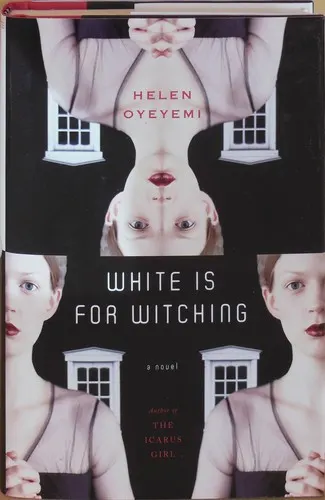
In Dover, a bereaved family lives in a house that dislikes strangers—and may be speaking to the reader. Miranda, grieving her mother and struggling with an appetite for inedible things, becomes increasingly entangled with the building’s possessive history.
Oyeyemi takes the domestic menace of The Ocean at the End of the Lane and makes it sharper, stranger, and more formally daring: voices interrupt one another, the house becomes a character, and grief seems capable of rewriting physical space. Winner of the Somerset Maugham Award, White Is for Witching is less consoling than Gaiman’s novel, but its haunted language and sense of inherited evil make it unforgettable.