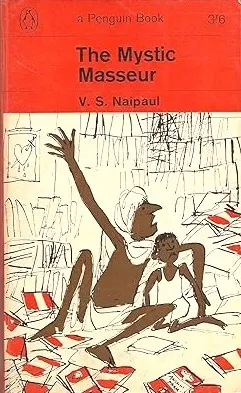
Books like The Mystic Masseur
How does an ordinary man become important: by merit, by luck, or by convincing everyone else to believe in the role he has invented? These novels share Naipaul’s fascination with ambition as both comedy and survival.
If you liked The Mystic Masseur, you’ll love these
Not lookalikes — kindred books. Each one shares something essential with The Mystic Masseur, and we tell you exactly what.
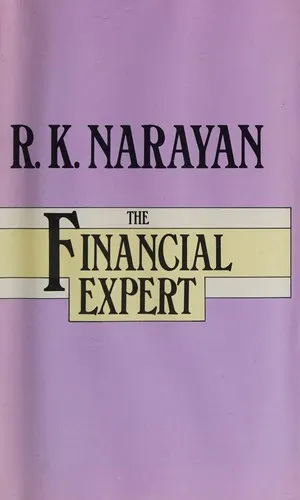
Margayya conducts dubious financial business beneath a banyan tree, dispensing advice and cultivating authority long before he has earned either. Like Ganesh, he possesses the essential gift of the self-made public man: he understands that confidence can manufacture legitimacy.
Narayan’s comedy is gentler than Naipaul’s but just as exact about vanity, money, status, and the little ceremonies by which communities decide someone matters. Graham Greene helped establish Narayan’s international reputation, and this is among the purest demonstrations of his art: lucid, sly, compassionate, and quietly merciless. Missing it means missing one of fiction’s finest comic portraits of aspiration becoming its own kind of trap.

If Ganesh’s ascent delighted you, meet Mohun Biswas, a man whose grand ambition is not public power but a private foothold in the world: a house he can call his own. He is irritable, ridiculous, touching, and fiercely resistant to being absorbed by the enormous family into which he marries.
Naipaul expands the social comedy of The Mystic Masseur into something roomier and more emotionally consequential. Every quarrel over furniture, work, money, or domestic territory becomes part of a struggle for dignity. Widely regarded as Naipaul’s masterpiece, the novel preserves his brilliant ear for pretension while revealing the desperation beneath it. Mr Biswas may be harder to like than Ganesh, but by the end his stubbornness feels heroic.
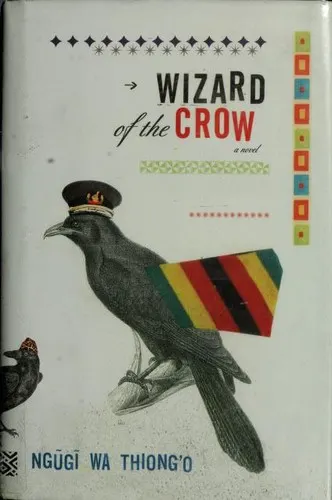
Here the comedy of improvised authority grows to national scale. In the imaginary dictatorship of Aburĩria, power depends upon spectacle, rumor, credulity, and the endless willingness of officials to flatter themselves. Into this world steps an accidental wizard whose reputation begins acquiring a life of its own.
Readers who loved the way Ganesh’s mystical persona becomes socially useful will recognize the exhilarating logic, but Ngũgĩ turns it into a vast, carnivalesque assault on tyranny and political unreality. The novel moves with the energy of oral storytelling: jokes breed new jokes, grotesque claims become policy, and fantasy exposes facts ordinary realism could barely contain. It is one of the major political satires of postcolonial literature—furious, generous, and so inventive that its great length feels like abundance rather than weight.