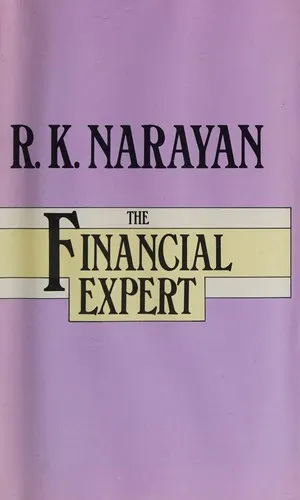
Books like The Financial Expert
Money, made comic. These novels share Narayan’s delight in the ingenious striver: a man who turns confidence into capital while family, society, and his own vanity complicate the ascent. All three balance sharp satire with genuine sympathy.
If you liked The Financial Expert, you’ll love these
Not lookalikes — kindred books. Each one shares something essential with The Financial Expert, and we tell you exactly what.
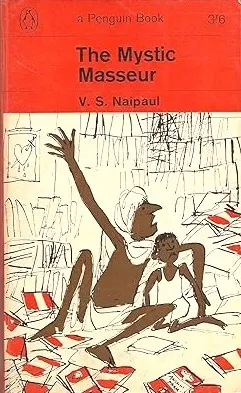
Ganesh Ramsumair—failed teacher, aspiring writer, masseur, and increasingly accomplished self-publicist—has Margayya’s gift for converting other people’s hopes into a livelihood. Naipaul follows his rise through a Trinidad alive with gossip, printed pamphlets, dubious cures, and improvised authority.
Like Narayan, Naipaul understands that commerce is also theatre: success depends on reading an audience and performing the role it wants. Yet the mockery never flattens Ganesh into a fraud; his resourcefulness is too real and too entertaining. This wonderfully nimble debut, winner of the John Llewellyn Rhys Prize, already displays the social precision that would define Naipaul’s career.
Denry Machin begins with little except nerve, timing, and an instinct for turning accidents into opportunities. His enterprises unfold through a succession of beautifully engineered comic episodes, each showing how reputation can become a form of currency.
What makes this such a close companion to The Financial Expert is its amused fascination with the mechanics of getting ahead. Bennett notices every small vanity and social calculation, but he lets Denry’s audacity remain exhilarating. One of Bennett’s most buoyant novels, The Card is the rare social-climbing comedy that leaves you both skeptical of its hero and delighted whenever he walks into the room.
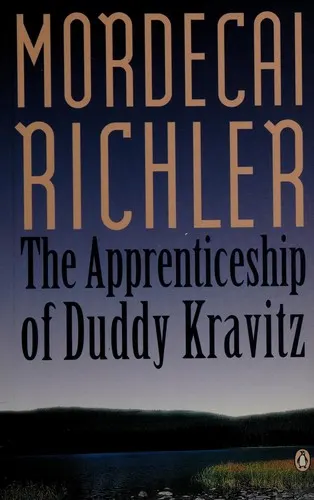
Duddy is a poor Montreal boy who absorbs his grandfather’s belief that a man without land is nobody—and begins hustling with ferocious imagination. Like Margayya, he treats every relationship as a possible opening, every setback as material for another scheme, and every success as proof that he deserves more.
Richler’s comedy is harsher than Narayan’s, but the kinship lies in the uneasy mixture of admiration and alarm. Duddy’s energy is magnetic even as ambition starts placing a price on affection, loyalty, and self-respect. The novel that established Richler’s reputation remains a Canadian classic because it refuses the easy choice between condemning the striver and cheering him. Missing it means missing one of fiction’s most vivid portraits of ambition becoming a personality.