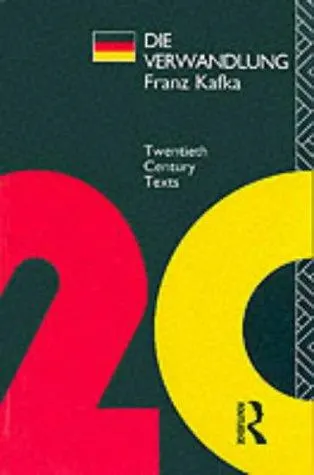
Books like The Metamorphosis
A lucid nightmare, a private shame exposed to public judgment, and the terrible comedy of discovering that ordinary life was absurd all along: these novels keep Kafka’s unease alive without imitating him.
If you liked The Metamorphosis, you’ll love these
Not lookalikes — kindred books. Each one shares something essential with The Metamorphosis, and we tell you exactly what.
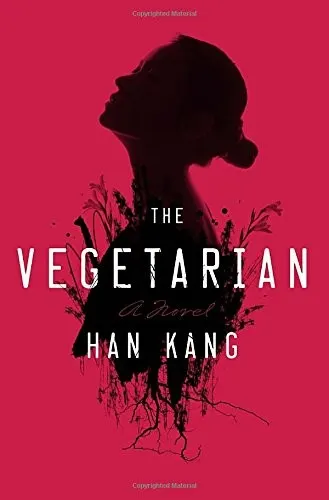
Like Kafka, Han Kang begins with an inexplicable bodily refusal and watches a family turn it into a crisis of obedience. When Yeong-hye stops eating meat after disturbing dreams, her husband’s chilly narration reveals that he values her chiefly for being undemanding. Her rebellion is quiet; everyone else’s response is brutally disproportionate.
Winner of the 2016 International Booker Prize, this short, fiercely controlled novel shares The Metamorphosis’s deepest horror: the people closest to you may care less about your suffering than about the inconvenience it causes them. Han’s imagery is sensuous and increasingly uncanny, but her real subject is possession—who is allowed to decide what a body means. It is the rare novel whose silences feel violent.
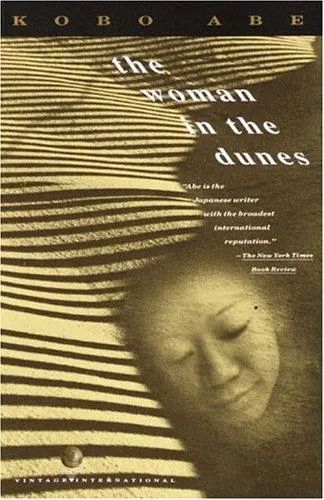
An amateur entomologist visits a remote settlement to collect insects and finds himself caught in a situation governed by rules that are at once irrational and grimly practical. Kobo Abe makes the physical world oppressive: sand enters food, clothing, sleep and thought. Every attempted solution only clarifies the trap.
The kinship with Kafka lies in Abe’s exact, patient logic. He does not decorate absurdity; he engineers it. Yet the novel is also ferociously tactile and psychologically subtle, asking how resistance, routine and desire reshape one another. A landmark of postwar Japanese fiction, adapted into Hiroshi Teshigahara’s celebrated film, it turns existential dread into something you can almost feel grinding between your teeth.
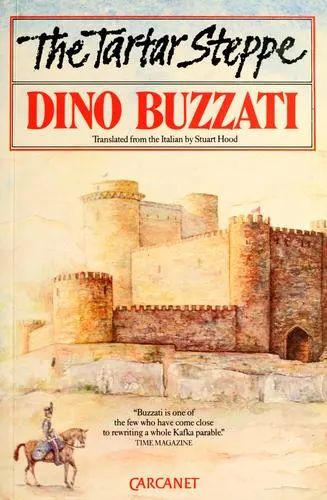
Young officer Giovanni Drogo arrives at an isolated frontier fortress expecting a brief posting. The promised enemy never quite appears, but anticipation itself becomes the institution’s governing force. Days acquire rituals, rituals become years, and the possibility of future glory quietly competes with life as it is actually being lived.
Buzzati’s prose has the deceptive simplicity of a fable and the accumulating pressure of a nightmare. Where Gregor Samsa is trapped by usefulness to his family, Drogo is trapped by the hope that he may someday become useful to history. This enduring Italian classic captures a particularly Kafkaesque terror: no villain is required when habit, hierarchy and self-deception collaborate so efficiently. Few novels make wasted time feel so suspenseful—or so personal.