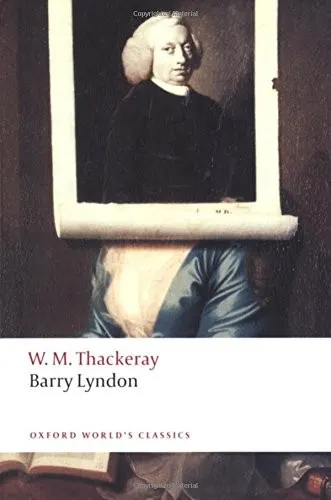
Books like The Luck of Barry Lyndon
John Lanchester’s The Debt to Pleasure leaves eighteenth-century gaming tables for 1990s menus and motorways, yet it recreates Thackeray’s finest trick: a narrator who believes his eloquence proves his worth while every polished sentence testifies against him. The three novels below all make self-justification into dramatic action.
If you liked The Luck of Barry Lyndon, you’ll love these
Not lookalikes — kindred books. Each one shares something essential with The Luck of Barry Lyndon, and we tell you exactly what.
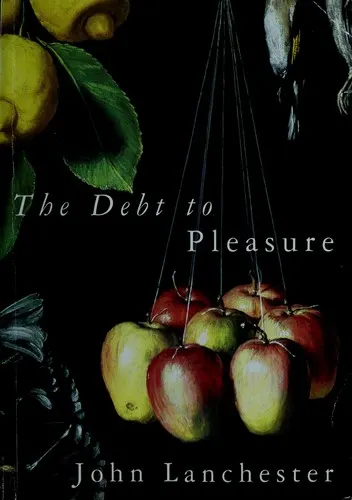
Tarquin Winot’s culinary memoir is cultured, funny, fastidious—and increasingly disquieting. Recipes, travel notes and aesthetic judgments become instruments of vanity as Tarquin displays the same fatal confidence as Barry: both men assume that command of style can settle questions of character.
Winner of the Whitbread First Novel Award, Lanchester’s debut is a compact virtuoso performance. Its special pleasure lies in reading simultaneously with and against its narrator, catching the meanings concealed by his immaculate phrasing. Anyone who relished Barry’s unconscious self-indictment will find Tarquin irresistible company, though not company to trust.
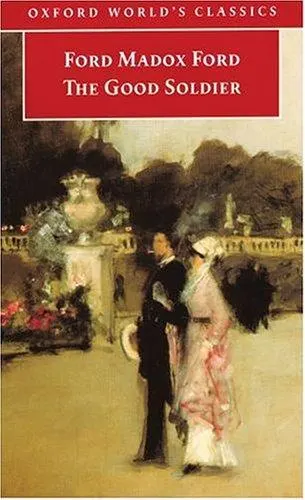
Barry boasts; John Dowell, Ford’s narrator, hesitates, corrects himself and appears almost painfully ingenuous. But the effect is comparably treacherous. As Dowell recounts the entanglements of two affluent couples, chronology loops and innocent remarks acquire new meanings. The reader must reconstruct the emotional truth from a man who may not understand—or may prefer not to understand—his own story.
Often regarded as Ford’s masterpiece and one of the supreme novels of unreliable narration, The Good Soldier replaces Thackeray’s broad comic swagger with intimate, devastating irony. It offers the rare exhilaration of discovering that the form of a man’s story is itself his most revealing confession.
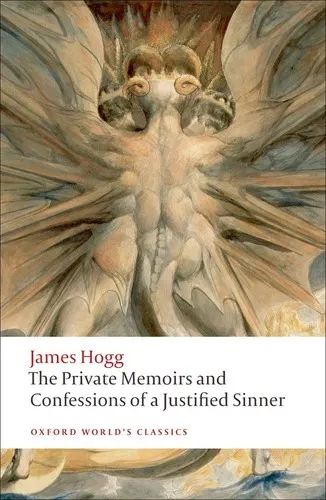
Hogg gives us a man whose certainty of his own righteousness licenses every appetite. The novel first presents events through an editor’s pieced-together account, then hands the narrative to the accused himself. That double structure turns reading into judgment: every claim of spiritual privilege exposes another crack in the claimant’s moral vision.
The comedy is blacker and the atmosphere more uncanny than in Thackeray, but the kinship is profound. Like Barry, Hogg’s sinner is his own defense counsel and his own most damaging witness. Long neglected and later championed by writers including André Gide, this 1824 Scottish classic now seems astonishingly modern—a fierce, ambiguous study of vanity disguising itself as destiny.