Books like The Dragon Can't Dance
First comes the music: boast, gossip, steelband rhythm, Carnival swagger. Then the ache beneath it emerges—the knowledge that performance can create dignity without curing powerlessness. These novels share Lovelace’s gift for making language, community, and resistance inseparable.
If you liked The Dragon Can't Dance, you’ll love these
Not lookalikes — kindred books. Each one shares something essential with The Dragon Can't Dance, and we tell you exactly what.
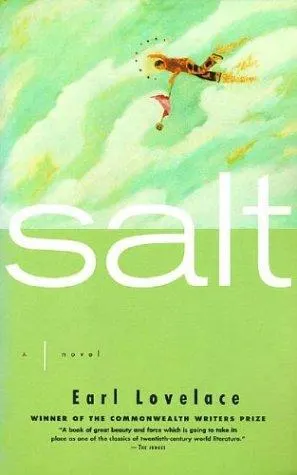
Lovelace’s finest companion to The Dragon Can’t Dance begins with the legend of Guinea John trying to fly back to Africa, then opens outward into an independent Trinidad still carrying slavery in its land, speech, and social arrangements. Where Aldrick searches for meaning inside the dragon, Salt asks how an entire country might turn inherited stories into genuine freedom.
The same qualities are here in fuller orchestration: pungent comedy, argument that sounds like music, affection without sentimentality, and characters whose political awakening is also a struggle for self-respect. Winner of the Commonwealth Writers’ Prize, Salt is not merely another visit to Lovelace’s world; it is his great reckoning with the unfinished emancipation underlying that world.
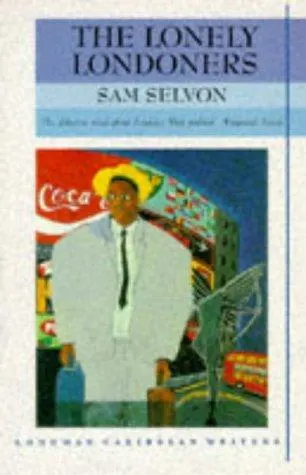
Moses Aloetta goes to Waterloo Station to meet a newly arrived Trinidadian, and from that modest beginning Selvon builds a communal portrait of Caribbean migrants making a hostile London inhabitable through talk, jokes, nicknames, hustling, and friendship. Like Calvary Hill, Selvon’s London exists not as scenery but as something its inhabitants continually remake in language.
What will feel most thrillingly familiar is the balance of exuberance and hurt. Selvon’s men are magnificent storytellers and unreliable performers of their own lives; their comedy protects them, but it cannot abolish loneliness or exclusion. The creolized narration—famously daring in 1956—does not merely reproduce speech: it lets Caribbean consciousness command the novel’s English. Now regarded as foundational to Black British literature, The Lonely Londoners remains startlingly alive, funny, and tender.

Set around the railway workers’ strike on the Dakar–Niger line, Sembène’s landmark novel makes a whole community its protagonist. Workers, spouses, elders, children, opportunists, and believers enter with distinct desires and disagreements; resistance is never reduced to a heroic slogan. As in Lovelace, collective action depends upon ordinary people deciding what dignity requires of them—and discovering how difficult solidarity is to sustain.
Sembène writes with the directness of an oral storyteller, moving between households and towns while keeping material realities—food, wages, fatigue, humiliation—sharply present. Yet the novel also has sweep, humor, and moral grandeur. Few books portray political struggle so powerfully while preserving the unruly individuality of everyone involved. For a reader haunted by Aldrick’s uncertain rebellion, this is an essential counterpoint: another master novelist testing how communal anger might become history.