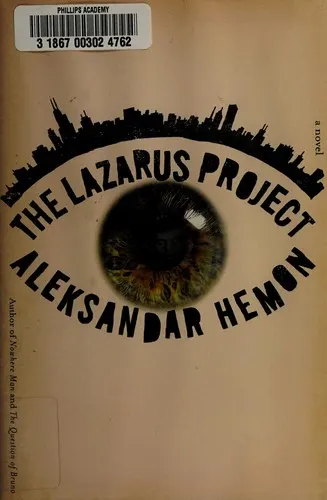
Books like The Lazarus Project
Readers captivated by Hemon’s novel tend to relish fiction in which exile destabilizes identity, comedy keeps colliding with catastrophe, and photographs or documents expose how uncertain every recovered life remains. These three books turn those same pressures into radically different forms.
If you liked The Lazarus Project, you’ll love these
Not lookalikes — kindred books. Each one shares something essential with The Lazarus Project, and we tell you exactly what.
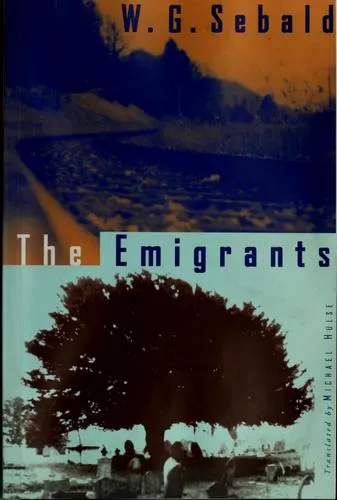
Sebald’s four linked narratives follow people displaced by twentieth-century history, assembling their lives through conversations, journeys, memories, and enigmatic photographs. As in The Lazarus Project, the attempt to recover the past becomes inseparable from the investigator’s own needs: evidence sharpens the mystery rather than settling it.
Sebald is quieter than Hemon—hypnotic where Hemon is antic—but they share a profound suspicion of tidy historical storytelling. The Emigrants was the book that established Sebald’s international reputation, and its fusion of fiction, testimony, travelogue, and photographic archive remains enormously influential. Once its melancholy current takes hold, conventional historical novels can feel strangely flat by comparison.
An inventory of objects reportedly found inside a dead walrus opens this dazzling collage of exile, memory, family photographs, lost countries, and apparently trivial possessions. From Berlin, a woman displaced by Yugoslavia’s collapse tries to understand what survives when home has become both inaccessible and politically contaminated.
Ugrešić shares Hemon’s gift for making displacement intellectually exhilarating and painfully funny. Her fragments behave like Brik’s archival discoveries: each promises access to a vanished world, yet each also reveals the distortions of nostalgia. Ugrešić, later honored with the Neustadt Prize, became one of exile literature’s most admired and uncompromising voices. This novel shows why—its wit is glacially sharp, but its emotional afterlife is immense.
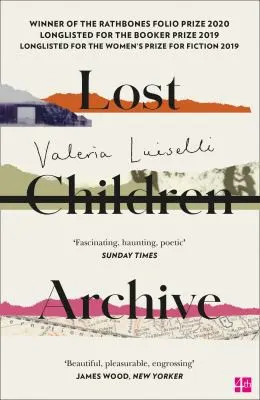
A family drives from New York toward Arizona carrying maps, recordings, Polaroids, books, and competing documentary projects: the father is pursuing echoes of Apache history, while the mother is preoccupied with migrant children disappearing at the border. The journey soon raises the question that also haunts Hemon’s Brik: what right does a writer have to turn other people’s suffering into a story?
Luiselli makes that ethical problem part of the novel’s architecture. Voices overlap; inventories, sounds, photographs, and borrowed texts become evidence whose meaning keeps shifting. Yet the book never feels like a formal exercise—the family’s accumulating strain gives every experiment urgency. Winner of the Rathbones Folio Prize, Lost Children Archive is one of the rare contemporary novels that matches The Lazarus Project in both documentary ambition and emotional force.