Author
Books like Mary Stewart
3 books we recommend to Mary Stewart readers, drawn from Nine Coaches Waiting and The Ivy Tree — each with the reason why.
If you loved Nine Coaches Waiting
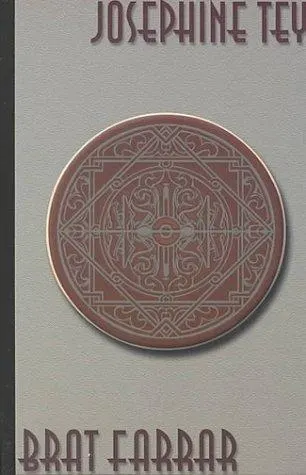
A young man is persuaded to pass himself off as Patrick Ashby, the long-lost heir to a country estate. The deception seems manageable until he meets the Ashby family and discovers that assuming Patrick’s place means inheriting unanswered questions as well as property.
What connects this beloved Tey mystery to Nine Coaches Waiting is its fascination with a gracious household whose manners barely conceal lethal pressures. Tey writes with similar economy and intelligence: horses, meals, glances, and apparently casual remarks all acquire suspense. Most compellingly, Brat’s predicament becomes an emotional one—he begins to care for the people he is deceiving. The result is not merely a clever imposture plot but an unusually humane novel about belonging, conscience, and the dangerous claims a family can make.
Sarah Parrish is enjoying the glittering final weeks of the British Raj’s Kashmir season when a frightened acquaintance confides that she has discovered something dangerous. Soon Sarah must decide which members of the charming holiday company around her can possibly be trusted.
Kaye supplies exactly the intoxicating contrast Stewart handles so well: ravishing scenery against mounting dread, sophisticated conversation against primitive fear. Sarah is neither reckless nor helpless; her intelligence makes the danger more convincing because she recognizes it early and still cannot easily escape it. The romance develops through shared danger rather than decorative flirtation, and Kaye’s own upbringing in India gives the landscape sensuous immediacy. Long cherished by devotees of classic romantic suspense, Death in Kashmir deserves to be read with the curtains drawn and the telephone ignored.
If you loved The Ivy Tree
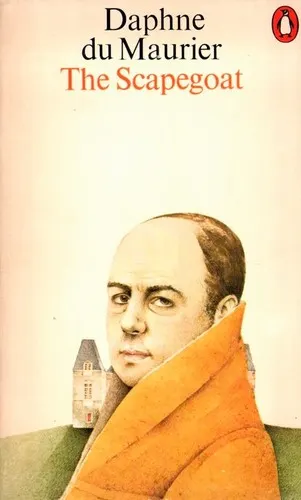
When a solitary Englishman meets his exact double in France, he is abruptly stranded inside the other man’s identity—and inside a decaying aristocratic family whose grievances he cannot decipher. The premise becomes something richer than a masquerade: a haunting inquiry into whether assuming another life can awaken qualities suppressed in your own.
Du Maurier gives the château and its surrounding estate the same emotional force Stewart gives Whitescar. Every family member wants something from the supposed returning husband, brother or master, so even tenderness is fraught with risk. Less ubiquitous than Rebecca but among du Maurier’s most psychologically absorbing novels, The Scapegoat turns suspense into a profound temptation: the chance to become indispensable in a life that is not yours.